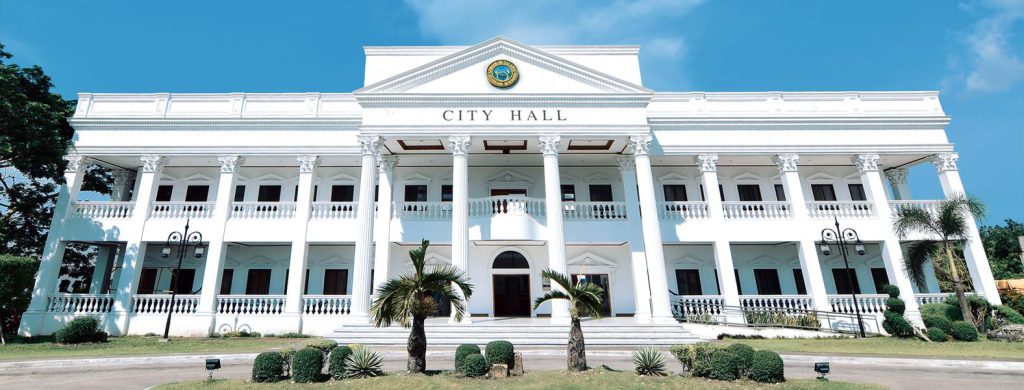
Calapan City, officially the City of Calapan, is a 3rd class component city and capital of the province of Oriental Mindoro, Philippines. As the only city in the province, Calapan serves as the main gateway to Oriental Mindoro through its seaport and is the center of commerce, education, and government in the province.
The city was originally a small village before the Spanish colonization. It was officially established as a municipality in 1807 and became a city on March 21, 1998, by virtue of Republic Act 8475. The name "Calapan" is believed to have come from the word "Kalapan," which means "joining of rivers," referring to the Calapan and Bucayao rivers that meet in the area.
Calapan has transformed from a simple fishing village to a thriving urban center while maintaining its agricultural roots. The city is known for its rice fields, coconut plantations, and fishing industry. It serves as the provincial government center and houses various national government agencies, making it the political and administrative hub of Oriental Mindoro.
Calapan was originally inhabited by Mangyans, the indigenous people of Mindoro. Coastal areas were settled by Malay and Tagalog migrants who engaged in fishing, farming, and trade.
1570: Spanish forces under Martin de Goiti arrived in Mindoro. 1679: Calapan was officially established as a pueblo (town) by the Spanish. Became a center for religious missions under Augustinian Recollects.
Calapan grew into a mission center and administrative hub. The parish church and convent were built and served as key structures. The town experienced occasional raids by Moro pirates, prompting the building of fortifications.
Calapan became the capital of Mindoro Province under American civil government. Education and public health systems were introduced and improved.
Mindoro was divided into Oriental and Occidental Mindoro. Calapan became the capital of Oriental Mindoro.
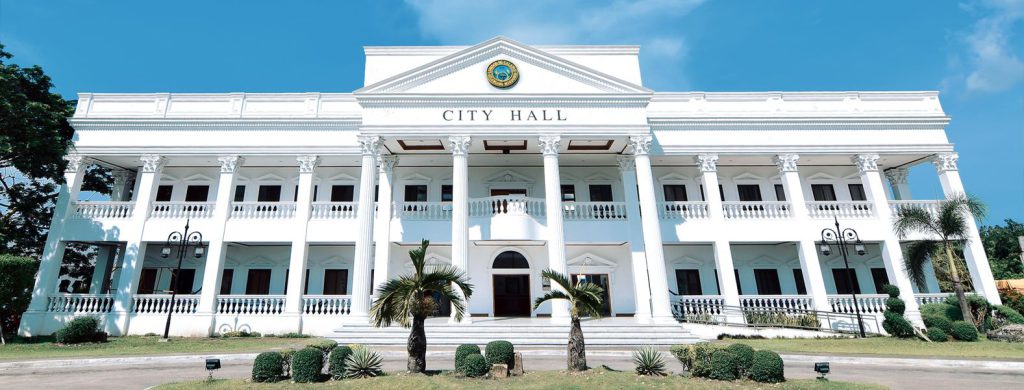
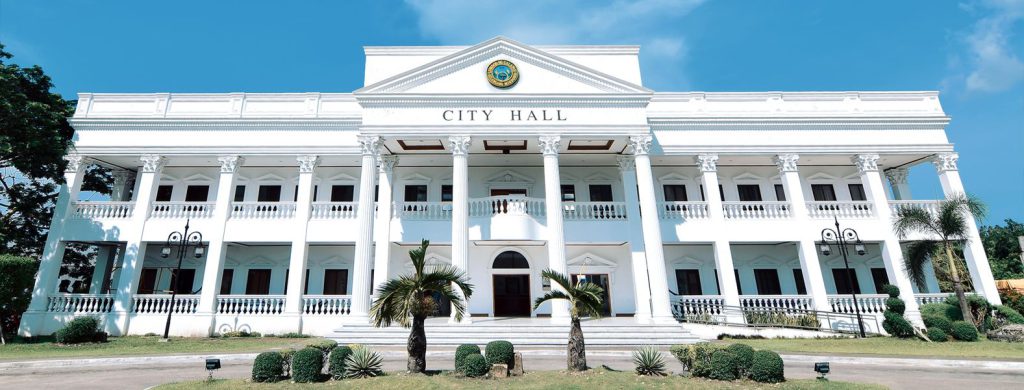
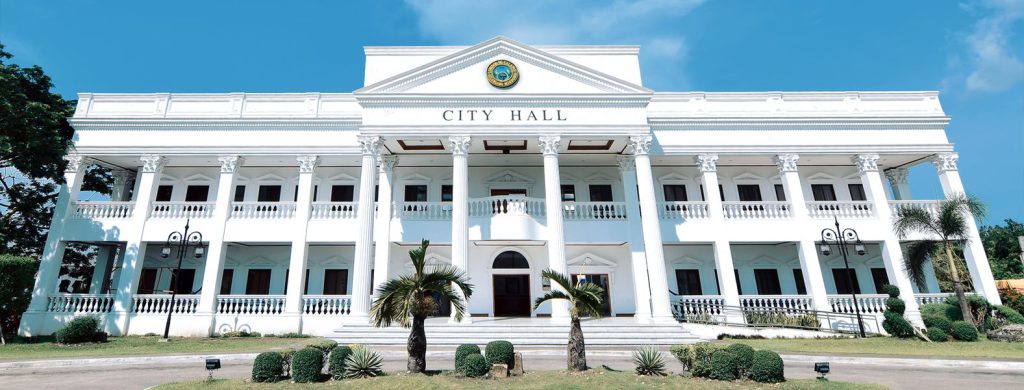
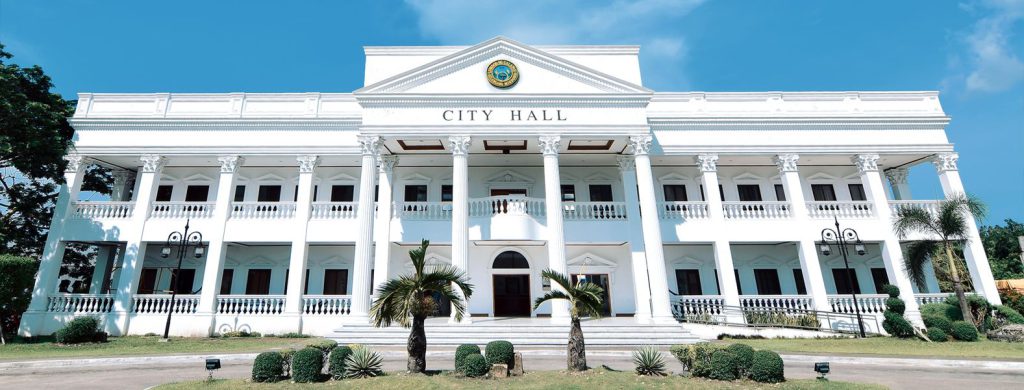
March 21, 1998: Calapan was officially converted into a component city under Republic Act No. 8475. First city in Oriental Mindoro.
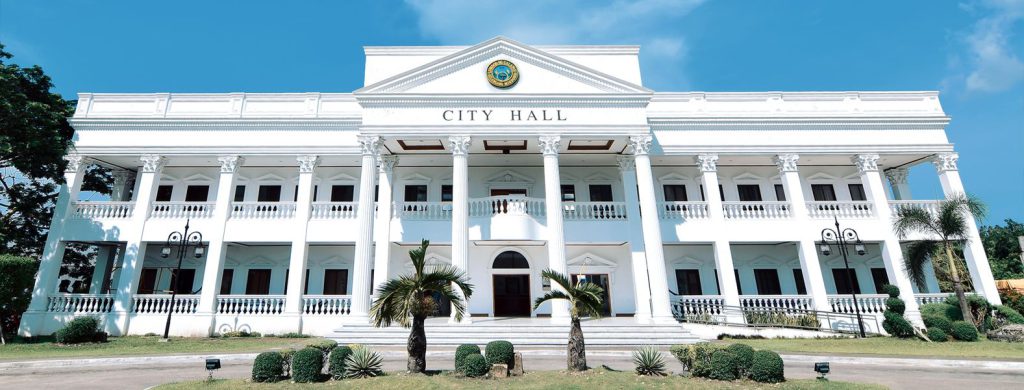
Calapan became a gateway to Oriental Mindoro, with its growing port, road networks, and commerce. It continues to develop as a regional center for education, trade, and government.
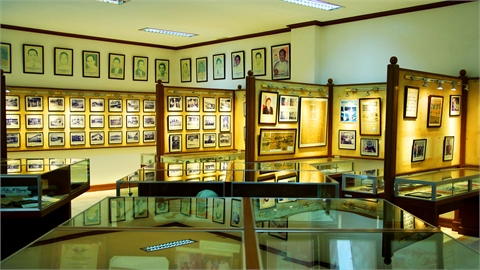
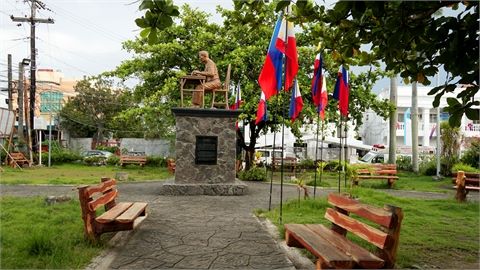
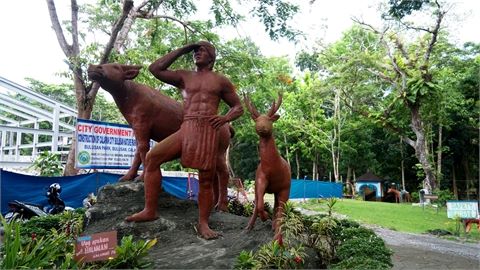
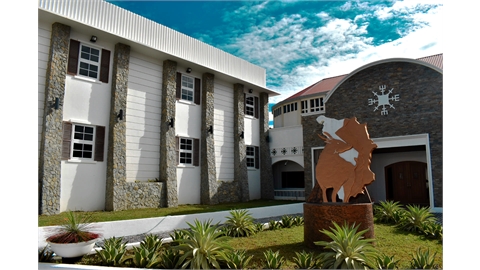
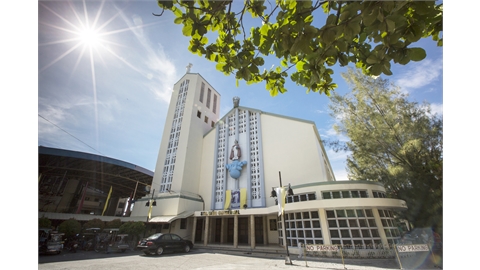


Calapan City celebrates its rich cultural heritage through various festivals and traditions. The Sambayan Festival, held every January, showcases the city's history, culture, and products through street dancing, floats, and trade fairs. The Immaculate Conception Cathedral, built in 1750, stands as a testament to the city's Spanish colonial past. Calapan also preserves traditional crafts like basket weaving and pottery, while modern arts and culture thrive in its museums and cultural centers.