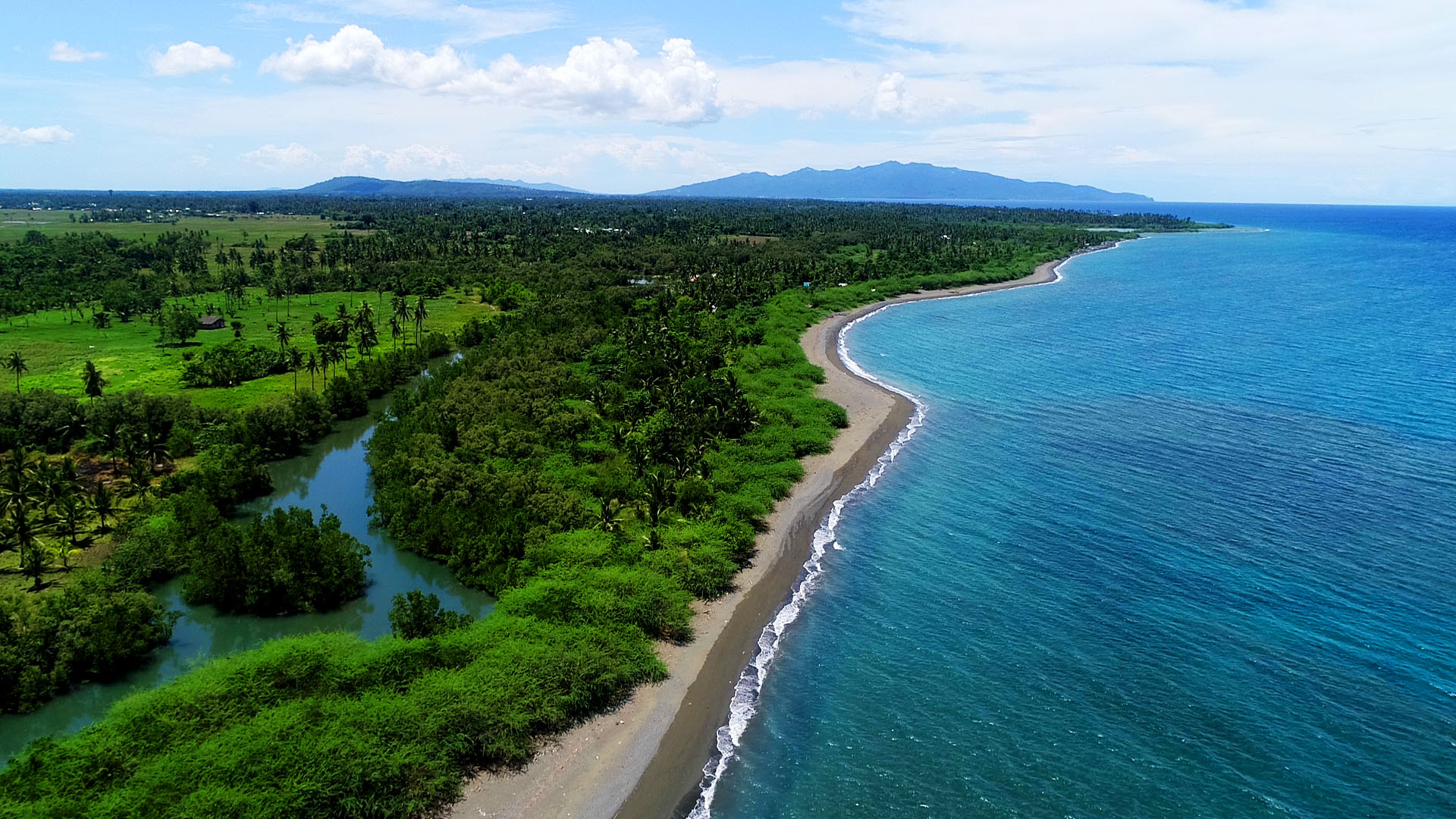
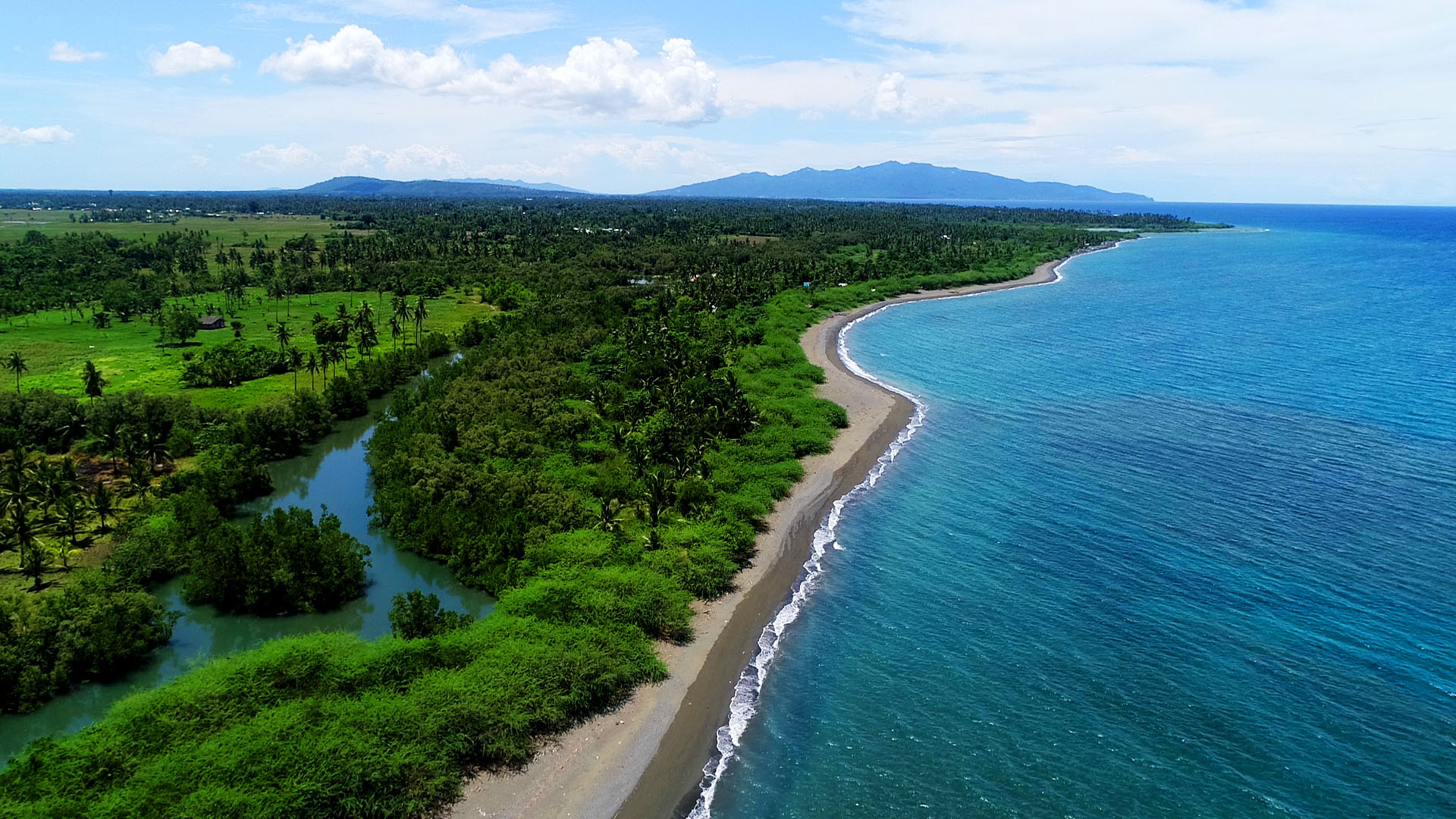
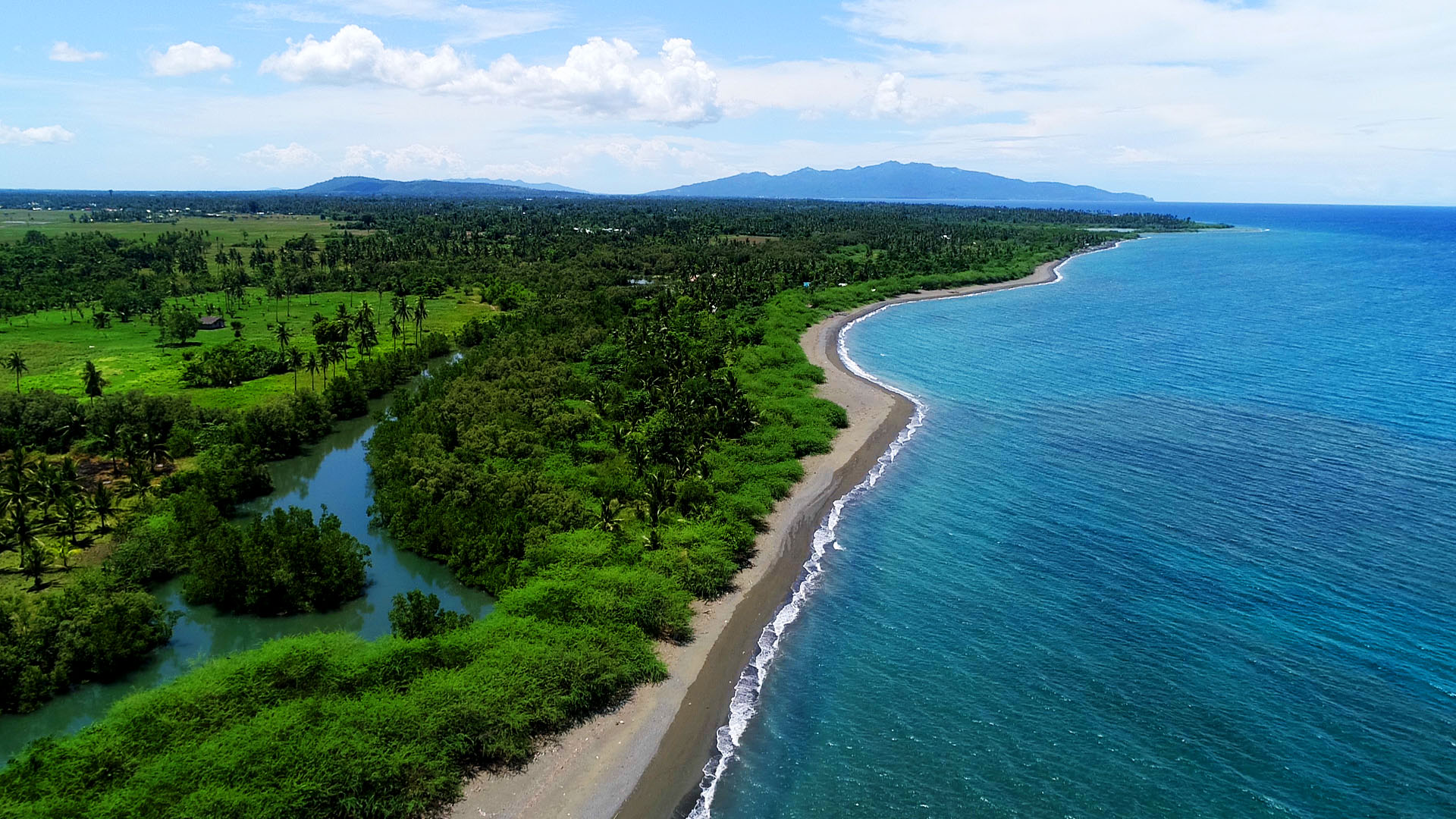
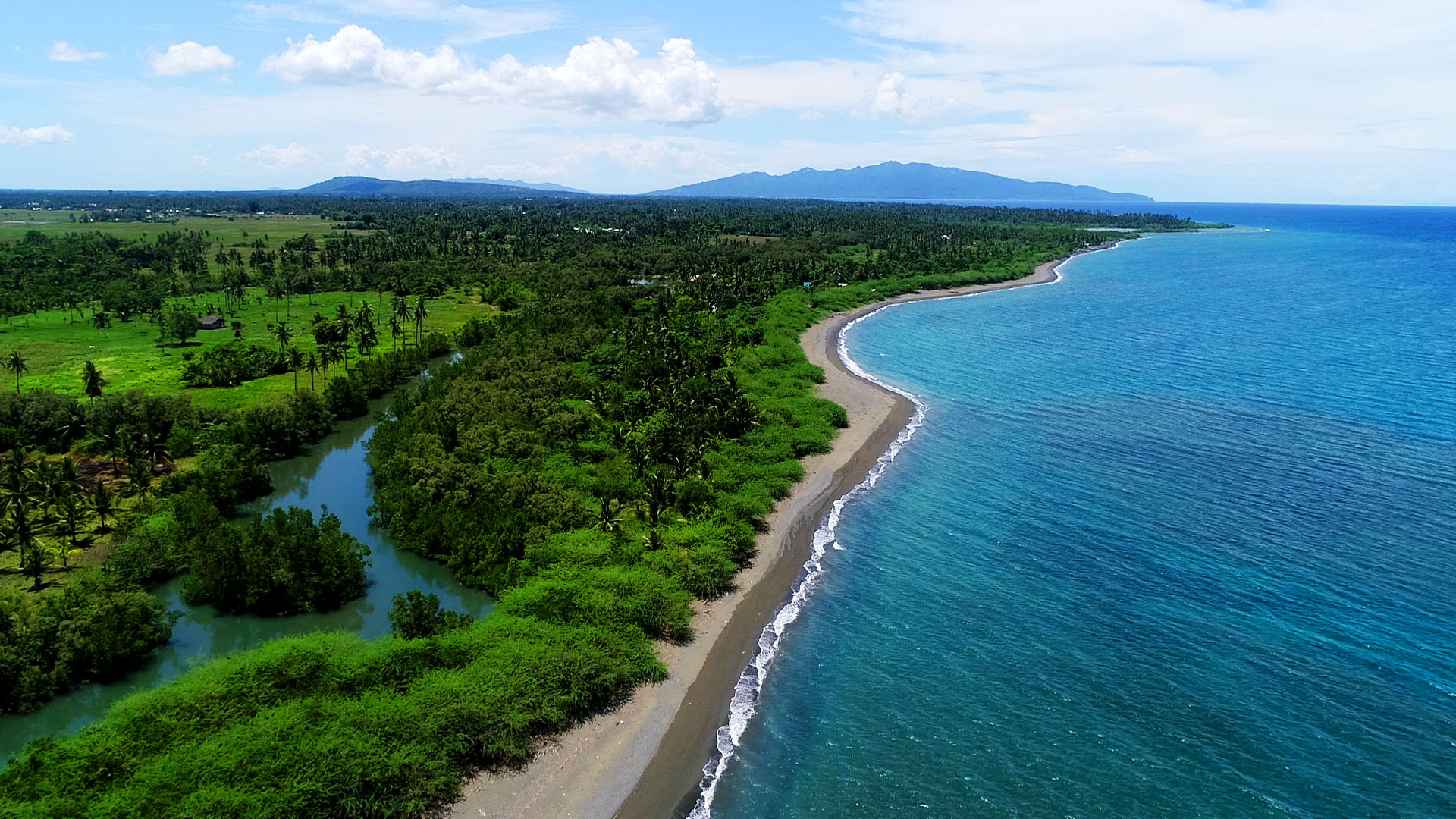
Gloria, officially the Municipality of Gloria, is a 1st class municipality in the province of Oriental Mindoro, Philippines. According to the 2020 census, it has a population of 50,496 people. The town was named after Gloria Romero, a famous Filipino actress, as suggested by the late Congressman Raul T. Leuterio who was instrumental in the town's creation.
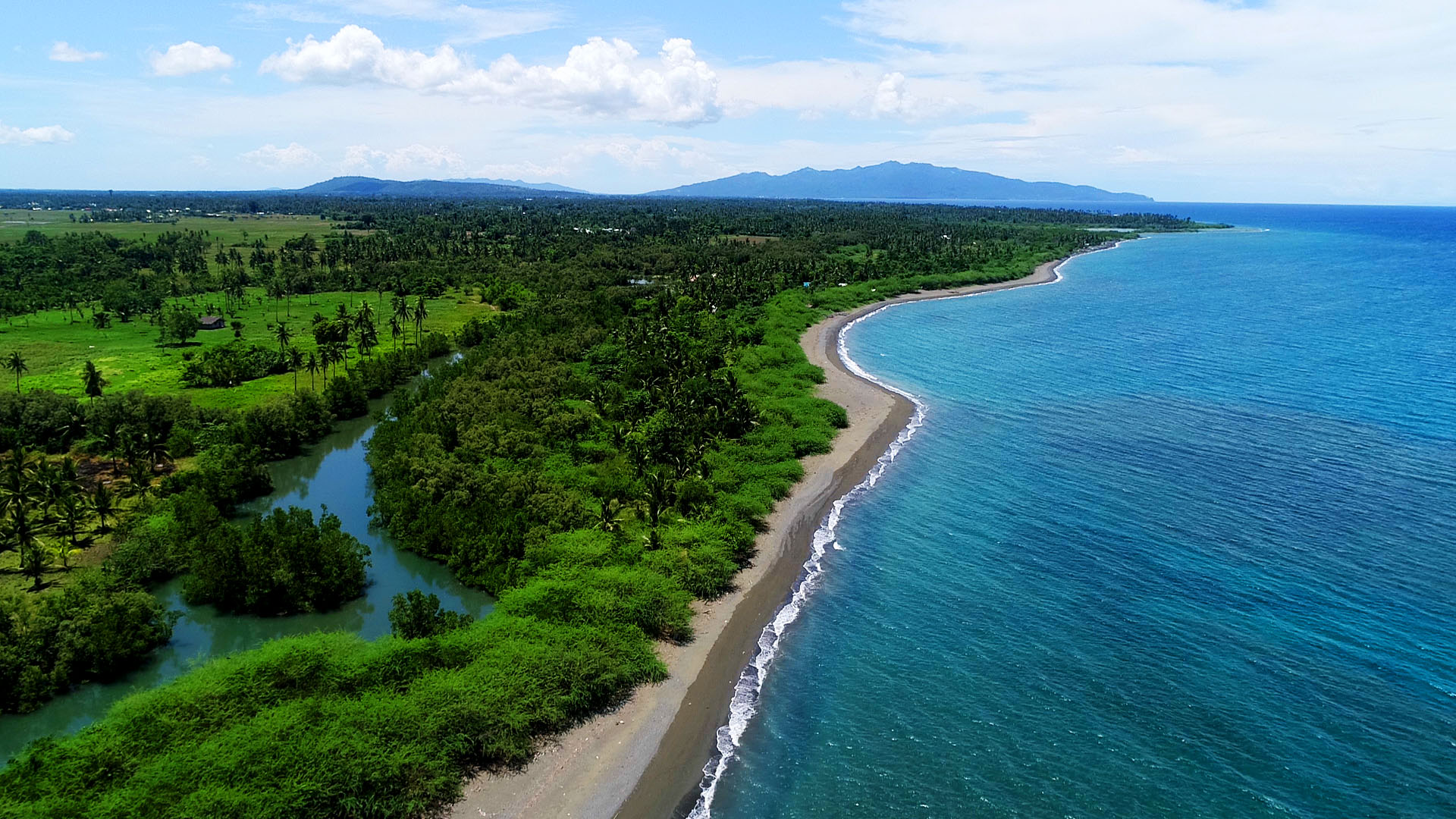
The municipality of Gloria was created on June 18, 1959, through Republic Act No. 2506, separating it from Pinamalayan. The town was formally inaugurated on January 1, 1960. Gloria is known as the "Gateway to the Southern Part of Oriental Mindoro" due to its strategic location along the Pan-Philippine Highway.
Gloria has developed into an important agricultural and commercial hub in Oriental Mindoro, with vast rice fields, coconut plantations, and fruit orchards. The town celebrates the "Sulyog Festival" annually, showcasing its agricultural products and cultural heritage through street dancing and other activities.
Migrant families from Marinduque settled in Barrio Tambong, part of what would later become Gloria.
The construction of a national road through Pinamalayan prompted settlers from Tambong to move westward, occupying areas along the roa
Tambong was divided into two barrios: the original retained its name, and the new one was called Maligaya, meaning "happy," reflecting the settlers' contentment with their agricultural success. October 1, 1964 The residents of 25 barrios, including Maligaya, petitioned for separation from Pinamalayan. President Diosdado Macapagal issued Executive Order No. 117, granting their request. PPDO Ormindoro February 25, 1965 Executive Order No. 140 was issued, defining and fixing the boundaries of the new municipality of Gloria.

The Supreme Court nullified the new municipality's corporate existence. Travel Oriental Mindoro June 9, 1966 Gloria was officially recognized as a distinct municipality through House Bill No. 6107, sponsored by Congressman Luciano Joson, and enacted into law as Republic Act No. 4651.
The municipality received a two-hectare donation from Gloria Realty Development Corporation, which became the site of the Municipal Building in 1972.
Under the leadership of Mayor Nicolas M. Jamilla, Sr., Gloria expanded its infrastructure, acquiring land for the Municipal Cemetery, Sports Center, Agricultural Center, Breeding Station, and Medicare Hospital.
The barangays of Bulbogan and Alma Villa were created, further expanding the municipality.
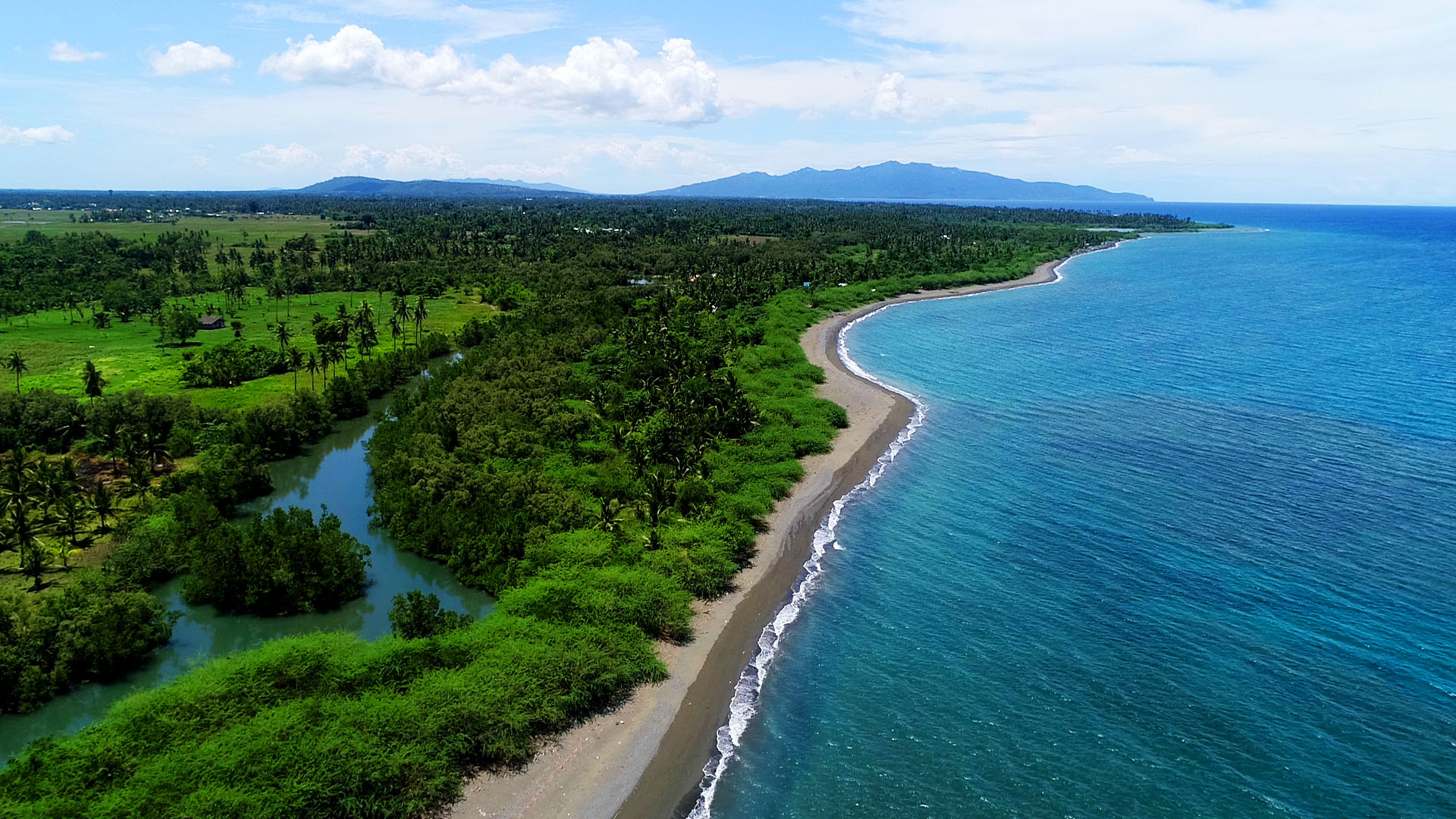
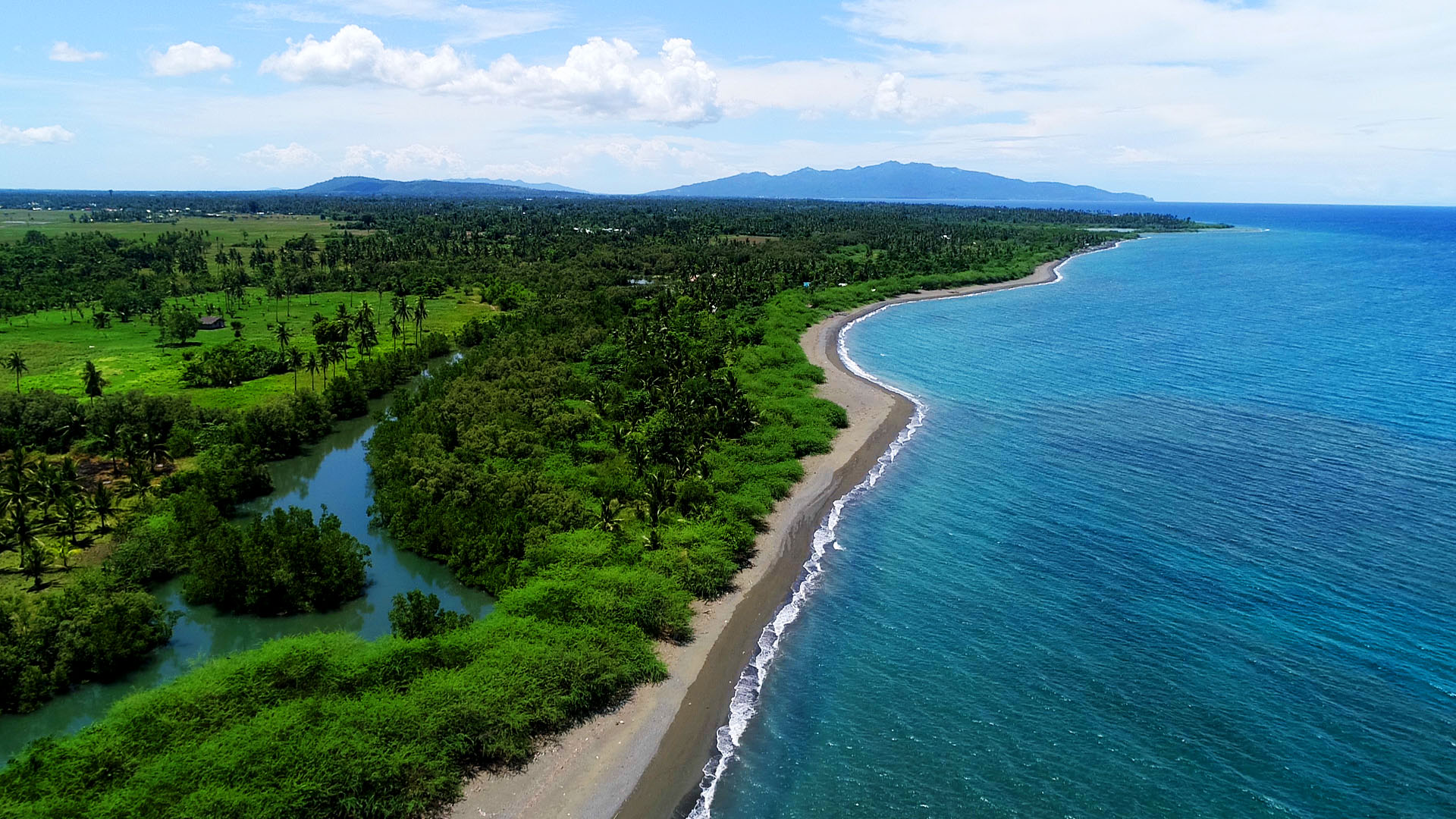
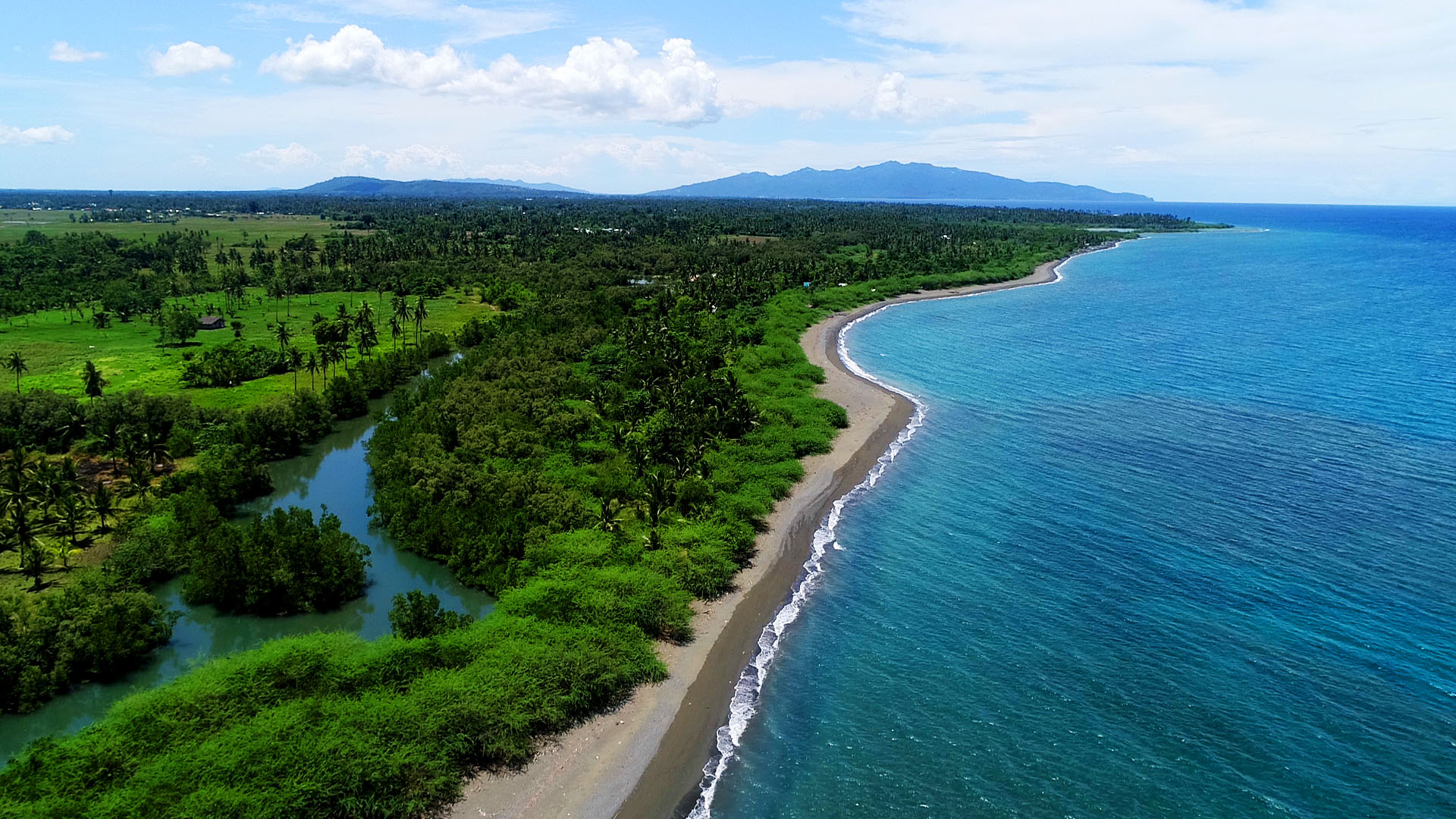
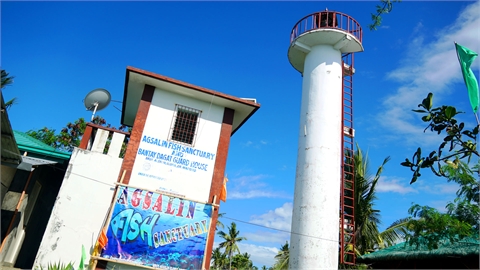
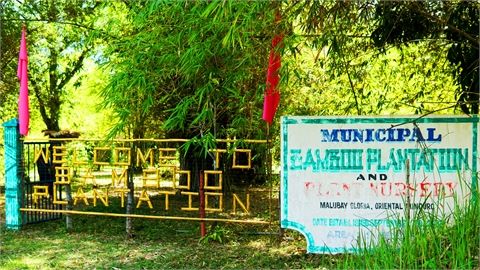
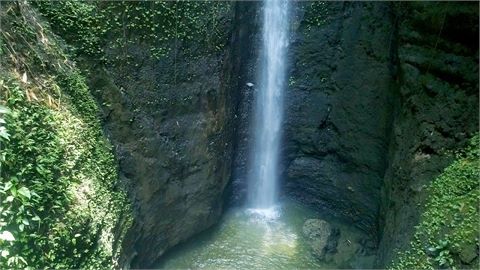
The population of Gloria reached 50,496, with 27 barangays contributing to its growth. Today, Gloria is known for its agricultural products, including rice, corn, and fish. It also boasts natural attractions like Walang Langit Falls and the Agsalin Fish Sanctuary, and celebrates the Kawayanan Festival, honoring the abundance of bamboo in the area.
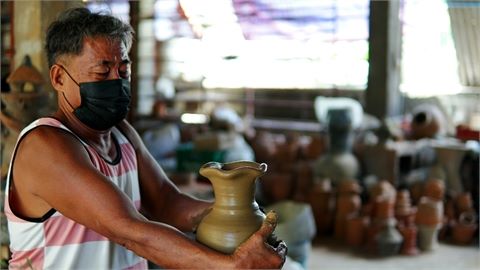
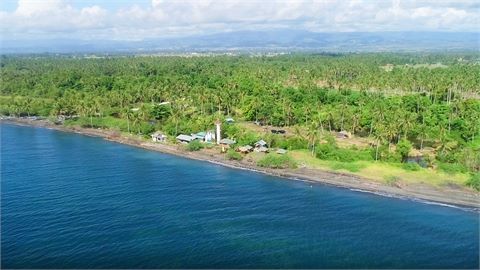
Today, Gloria continues to grow as an important municipality in Oriental Mindoro, with improving infrastructure and services. The town serves as a vital transportation link between the northern and southern parts of the province. Its agricultural products, particularly rice and coconut, contribute significantly to the province's economy. The natural attractions and cultural festivals make Gloria an emerging destination for visitors to Oriental Mindoro.