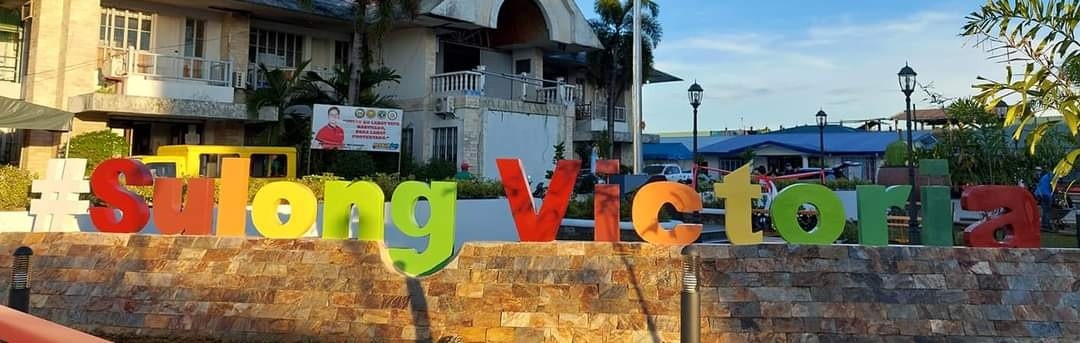
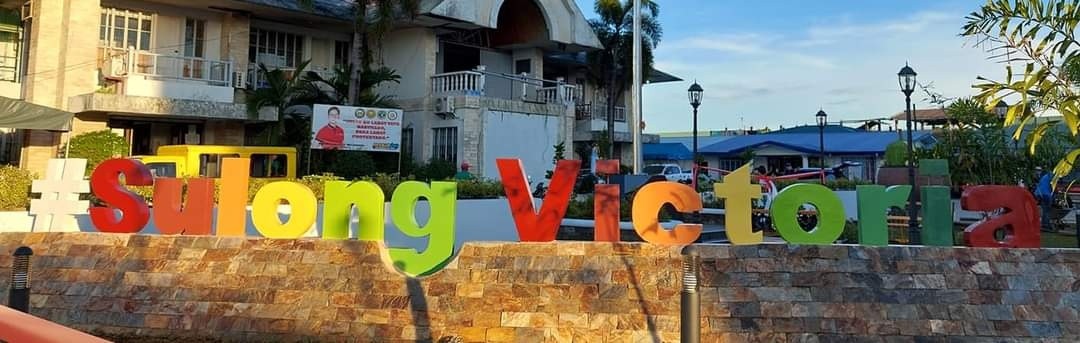
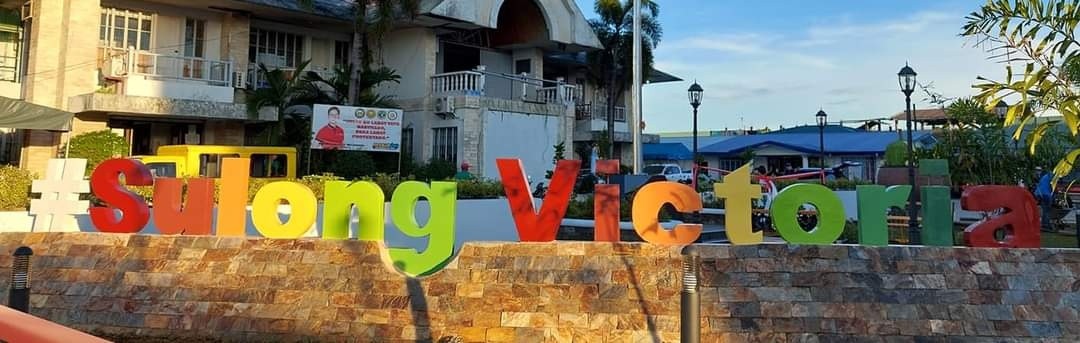
Victoria is a 2nd class municipality in the province of Oriental Mindoro, Philippines. Known as the "Rice Granary of Oriental Mindoro," Victoria boasts vast rice fields and agricultural lands that contribute significantly to the province's food production. The town was named after Queen Victoria of Spain and was officially established in 1957.
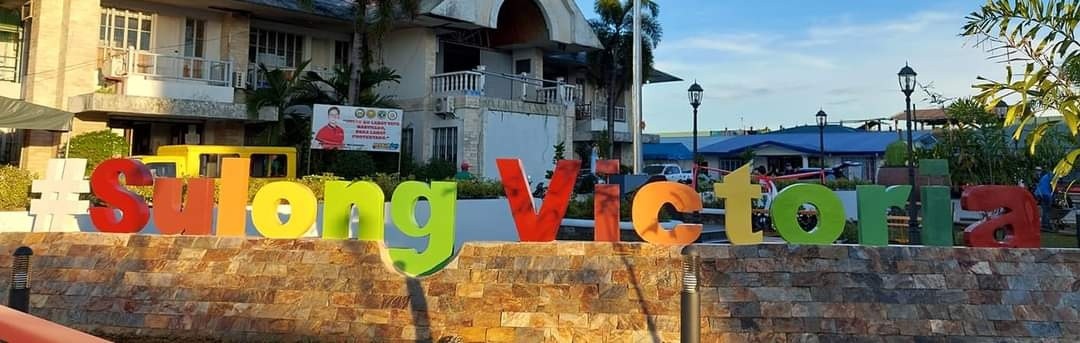
Originally part of the municipality of Naujan, Victoria became an independent municipality through Republic Act No. 1700. The town is characterized by its flat terrain, making it ideal for rice cultivation. Victoria's economy is primarily agricultural, with rice, corn, and coconut as major products. The town also has several fishponds and poultry farms that contribute to its local economy.
Victoria is home to the famous Victoria Wildlife Park, which showcases various endemic species and serves as an ecotourism destination. The municipality also takes pride in its well-preserved cultural traditions, particularly in agriculture and local crafts. The annual "Piyesta ng Bayan" celebrates the town's founding anniversary with agricultural fairs, cultural shows, and community activities.
Pre-Colonial Era: The area now known as Victoria was originally inhabited by indigenous Mangyan tribes. Spanish Period (1565–1898): The region remained relatively undeveloped, with Mindoro serving mainly as a missionary area. Few settlements existed in the inland regions.
Early 1900s: Under American rule, Mindoro was gradually opened to settlers, mainly from the Visayas and southern Luzon. 1920s–1930s: Areas of present-day Victoria were part of the municipality of Naujan. Post-WWII (1945): Development increased as people returned to Mindoro after the war.
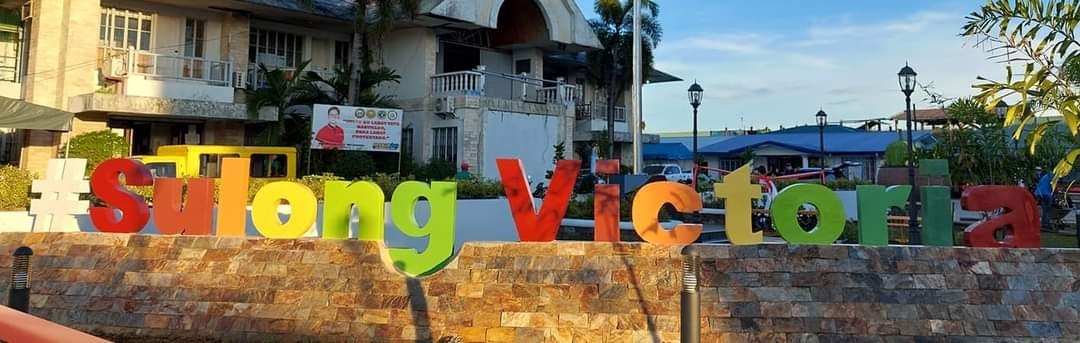
October 15, 1955: Victoria was officially founded as a municipality, separated from Naujan by virtue of Executive Order No. 142 signed by President Ramon Magsaysay. Named "Victoria" in honor of President Magsaysay’s daughter, Victoria Magsaysay.
Growth in agriculture, especially in rice and calamansi production, establishing Victoria as the "Fruit Basket of Oriental Mindoro." Infrastructure like roads, markets, and schools gradually improved.
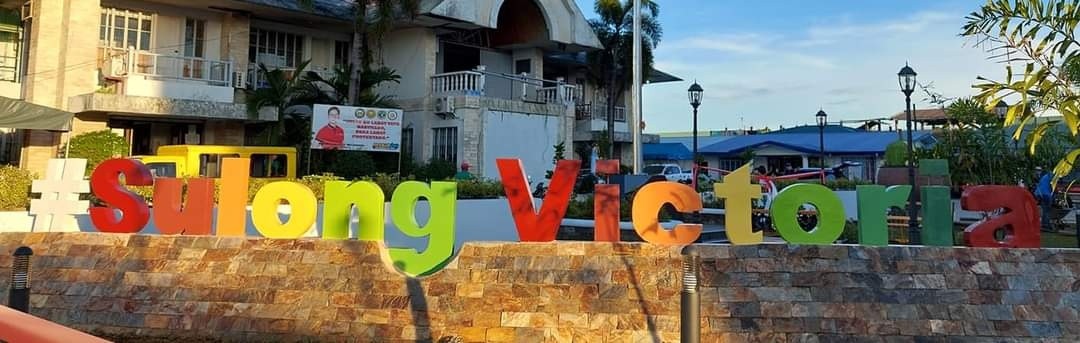
Continuous development in farming, agribusiness, and local tourism. Ongoing improvement of local governance and community services. Hosting cultural events like the Kapakyanan Festival which highlights the municipality’s agricultural prosperity.
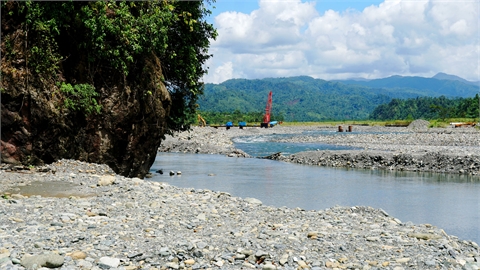
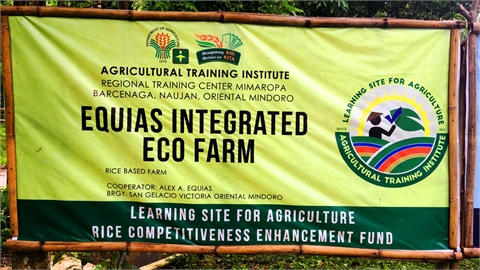
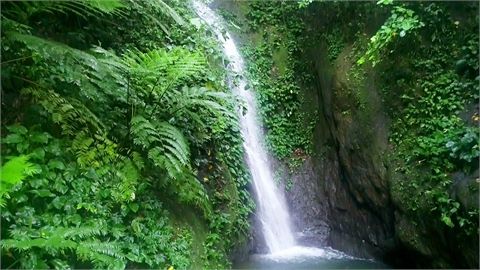
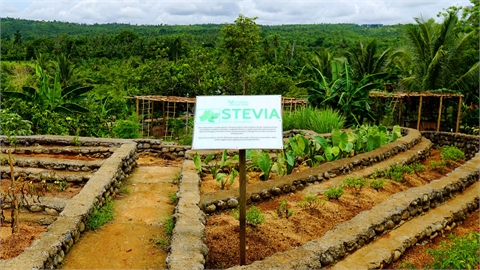
Victoria's culture is deeply rooted in its agricultural heritage. The town celebrates various festivals showcasing its farming traditions, including the "Anihan Festival" which gives thanks for bountiful harvests. Traditional farming methods are preserved alongside modern agricultural technologies. The municipality also maintains strong ties with indigenous communities, particularly the Mangyan tribes, whose cultural practices are celebrated during local events.