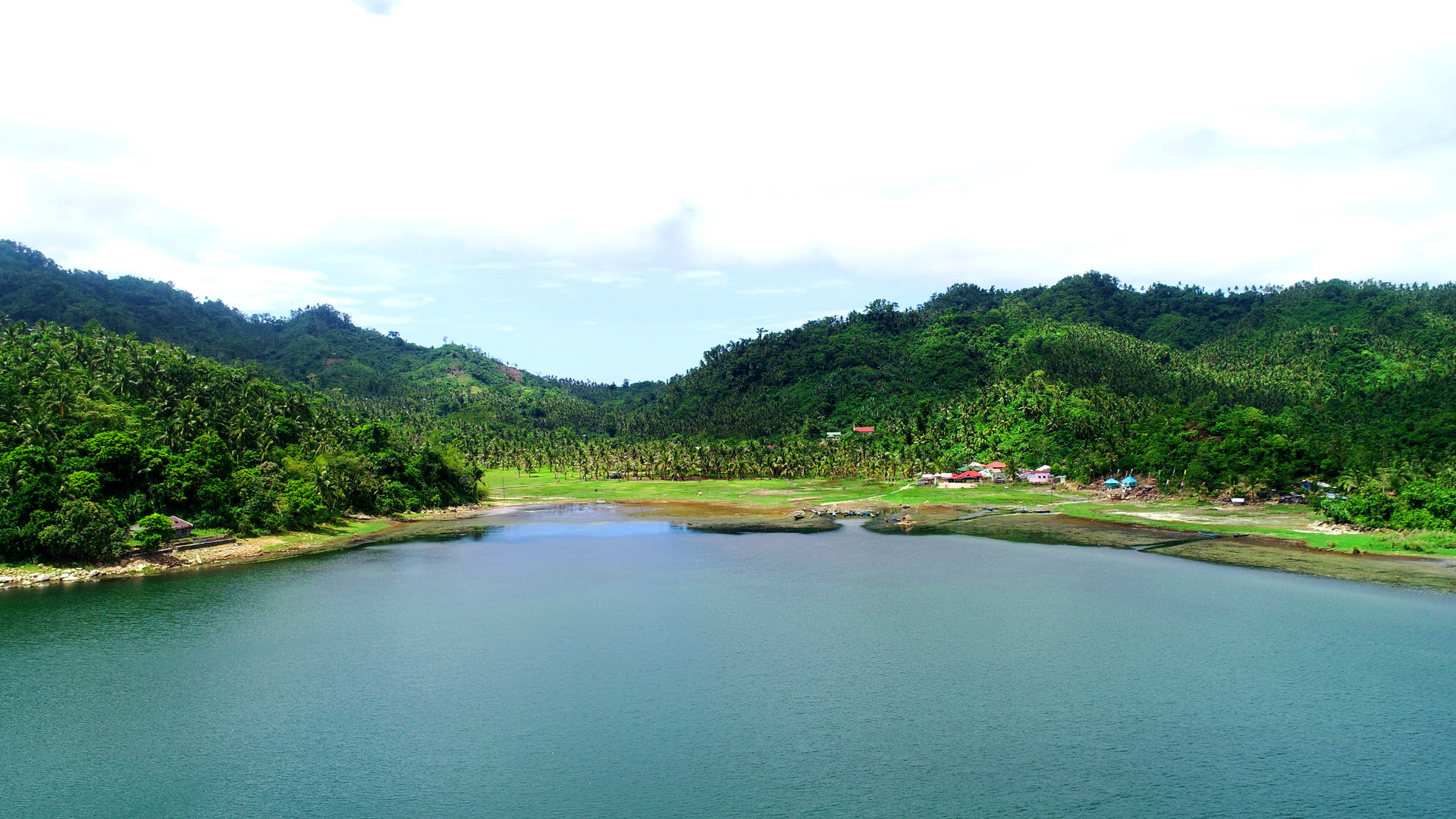
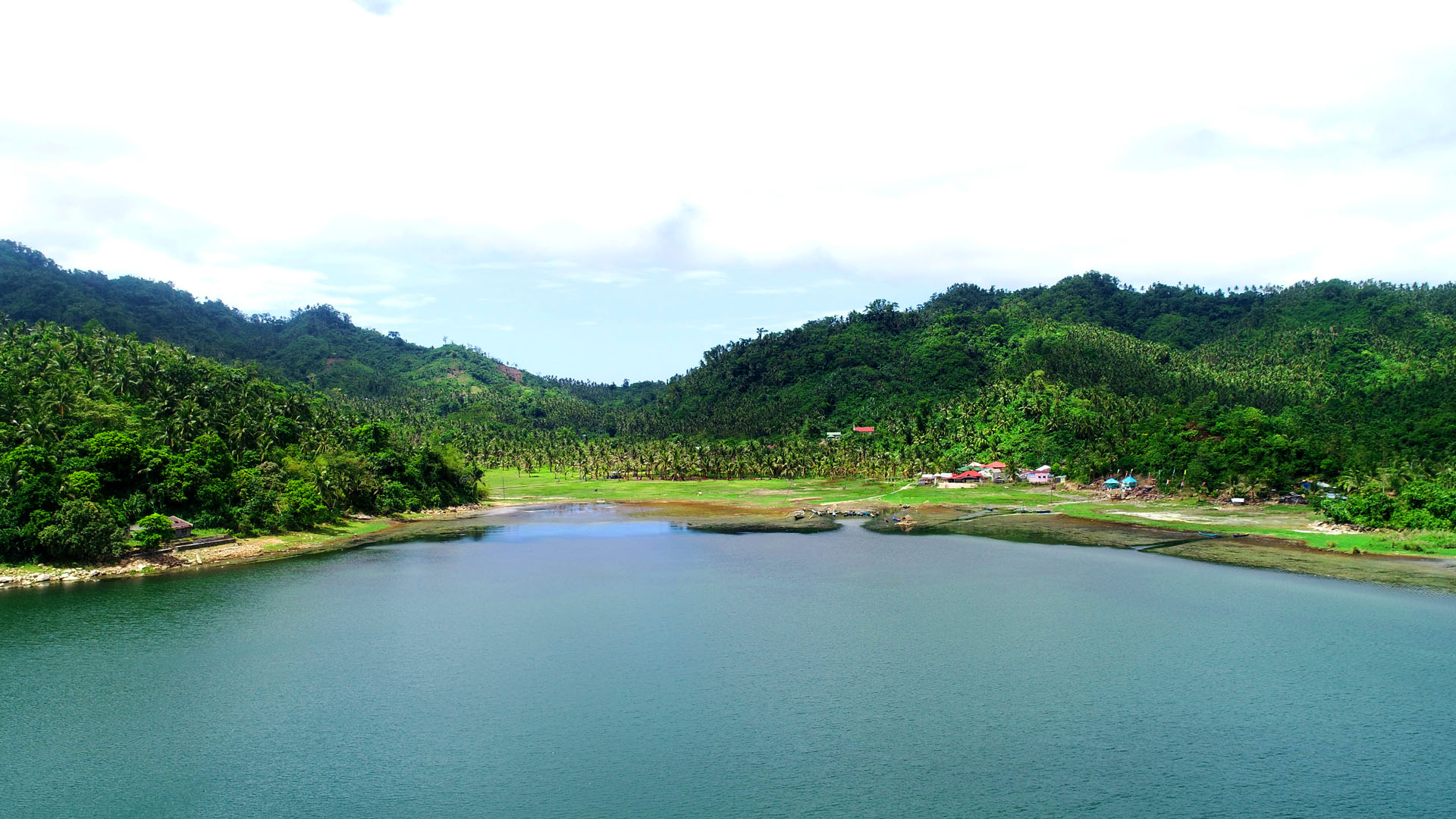
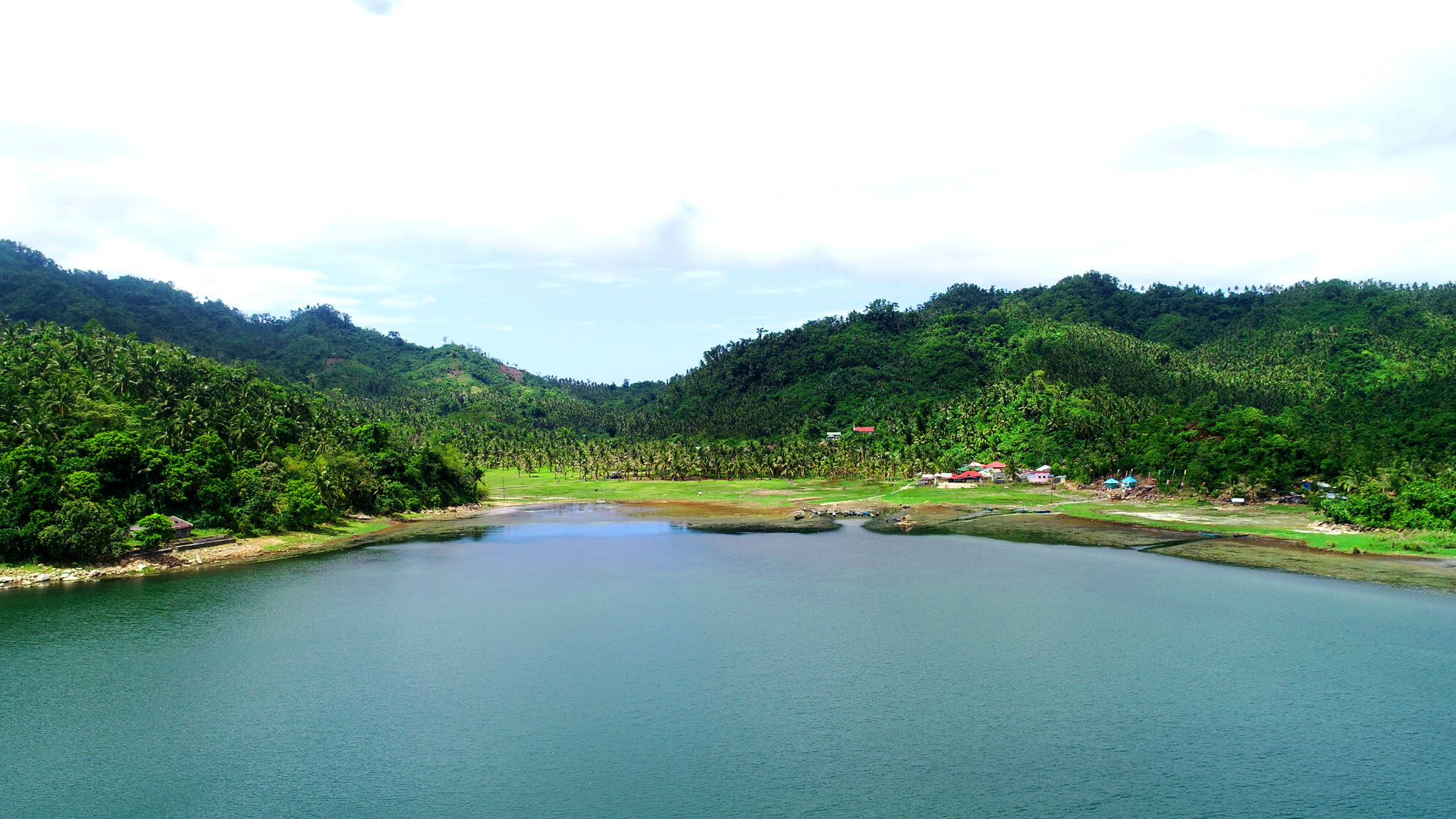
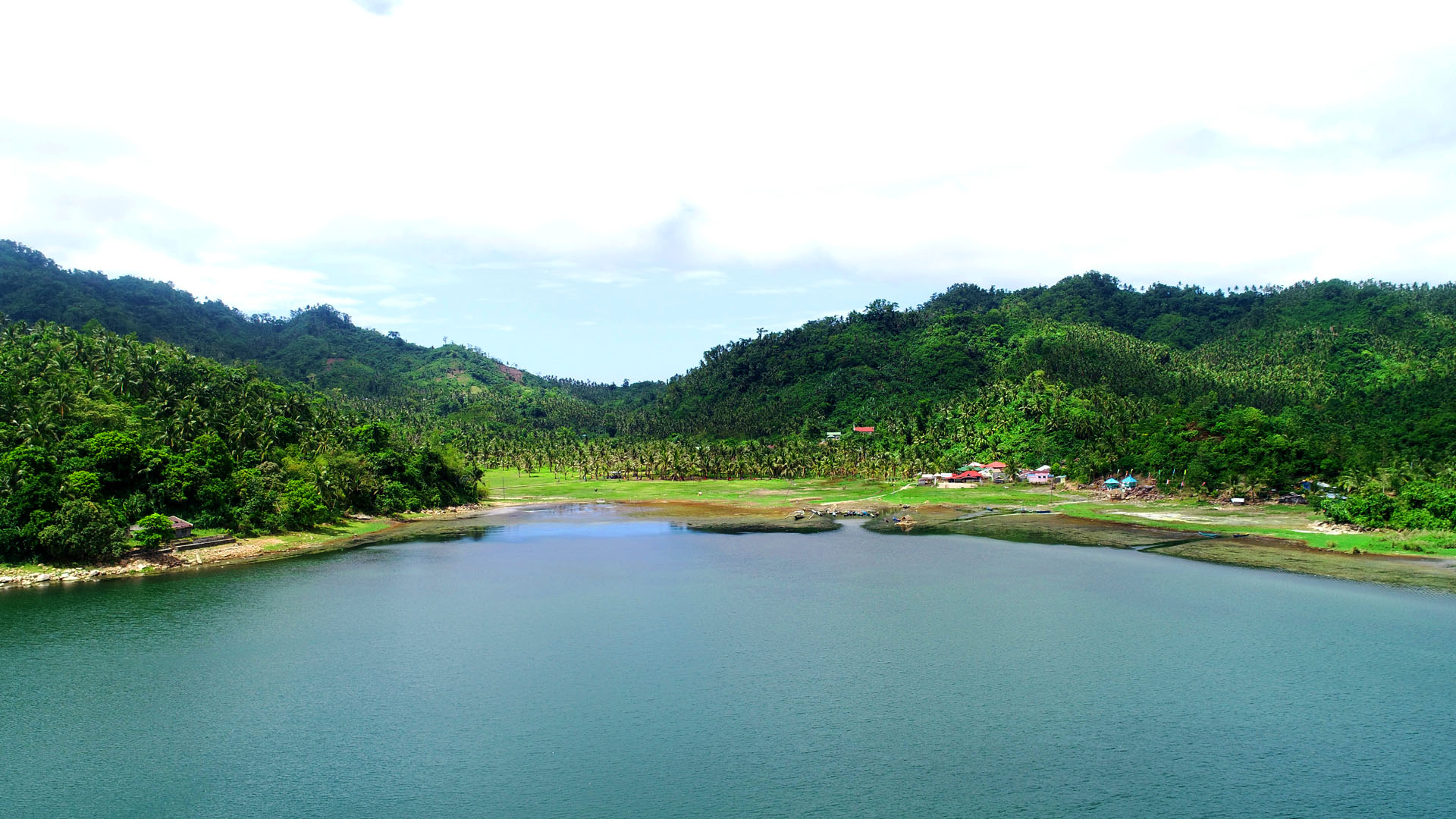
Naujan is a first class municipality in the province of Oriental Mindoro, Philippines. It is best known for Naujan Lake, the fifth largest lake in the country and home to diverse wildlife. The municipality has a rich history dating back to pre-colonial times and serves as an important agricultural and ecotourism hub in the province.
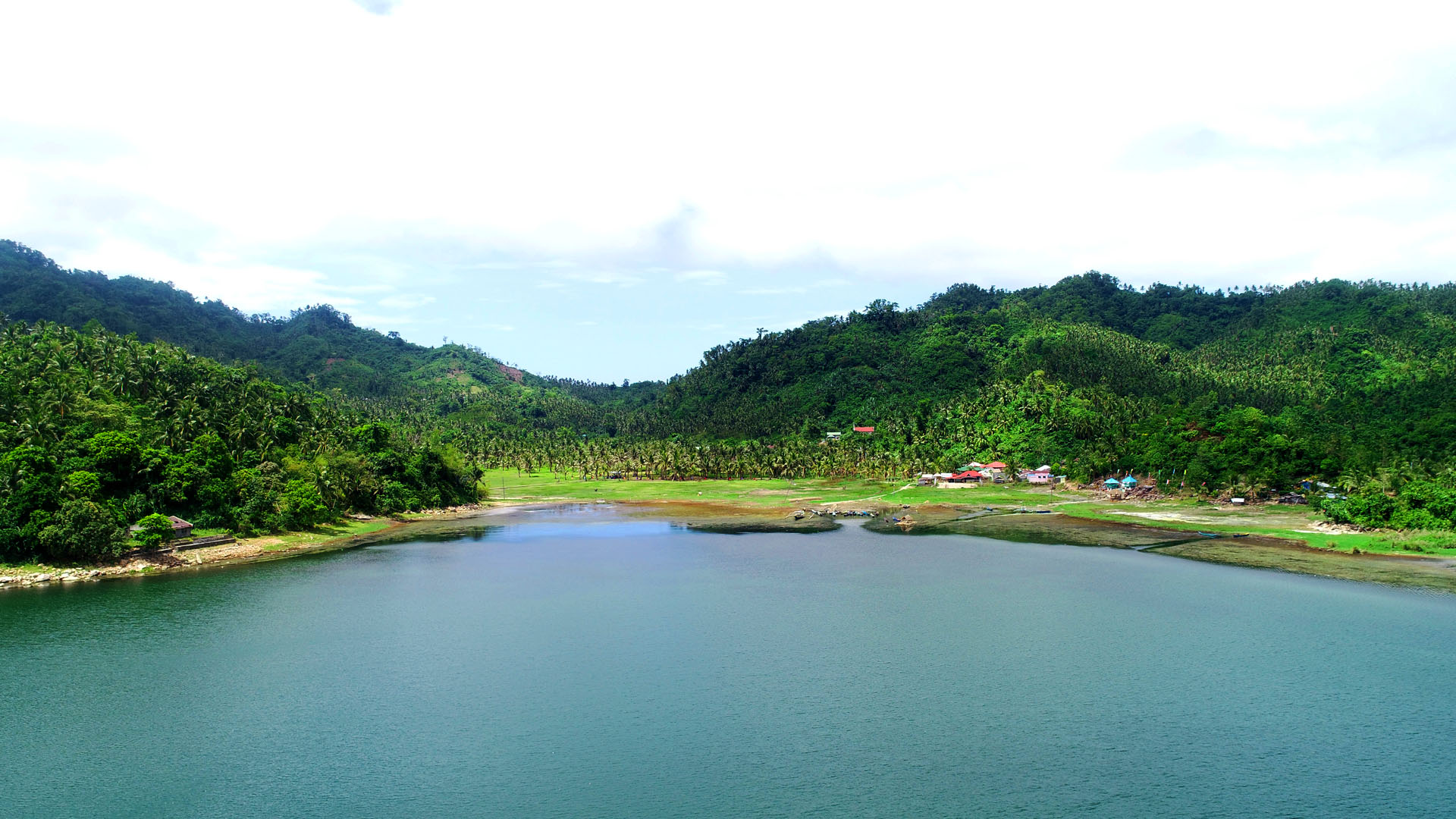
The name "Naujan" is believed to have originated from the word "nauhaw" (thirsty), referring to early settlers who were thirsty when they arrived in the area. Established in 1620, Naujan was one of the first settlements in Mindoro and played a significant role in the province's development. The town is bordered by the scenic Naujan Lake to the west and the vast plains of Victoria to the east.
Naujan's economy is primarily agricultural, with rice, coconut, and citrus fruits as major products. The municipality is also known for its fishing industry, particularly around Naujan Lake. The lake itself is a protected area under the National Integrated Protected Areas System (NIPAS) and serves as an important habitat for migratory birds and endemic species.
Indigenous Mangyan tribes inhabited the area. Early Austronesian settlers practiced farming, fishing, and trade. The area that would become Naujan was part of the broader cultural and economic sphere of Mindoro.
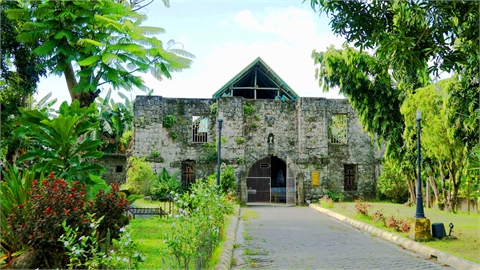
1570s: Spanish explorers began mapping and colonizing Mindoro. 1600s–1800s: Naujan was established as one of the early Christian missions in Mindoro. Spanish missionaries introduced Christianity, farming techniques, and Spanish-style governance. Naujan Church (Parish of St. Nicholas of Tolentino) was established.
1898: Treaty of Paris — Mindoro became part of U.S. territory after Spanish-American War. Early 1900s: Introduction of public education and road infrastructure under American rule. 1920: Naujan became an official municipality, separating from Calapan administratively.
Japanese forces occupied Naujan during World War II. Local guerrilla groups resisted the occupation. The town experienced disruptions and hardships during the war.
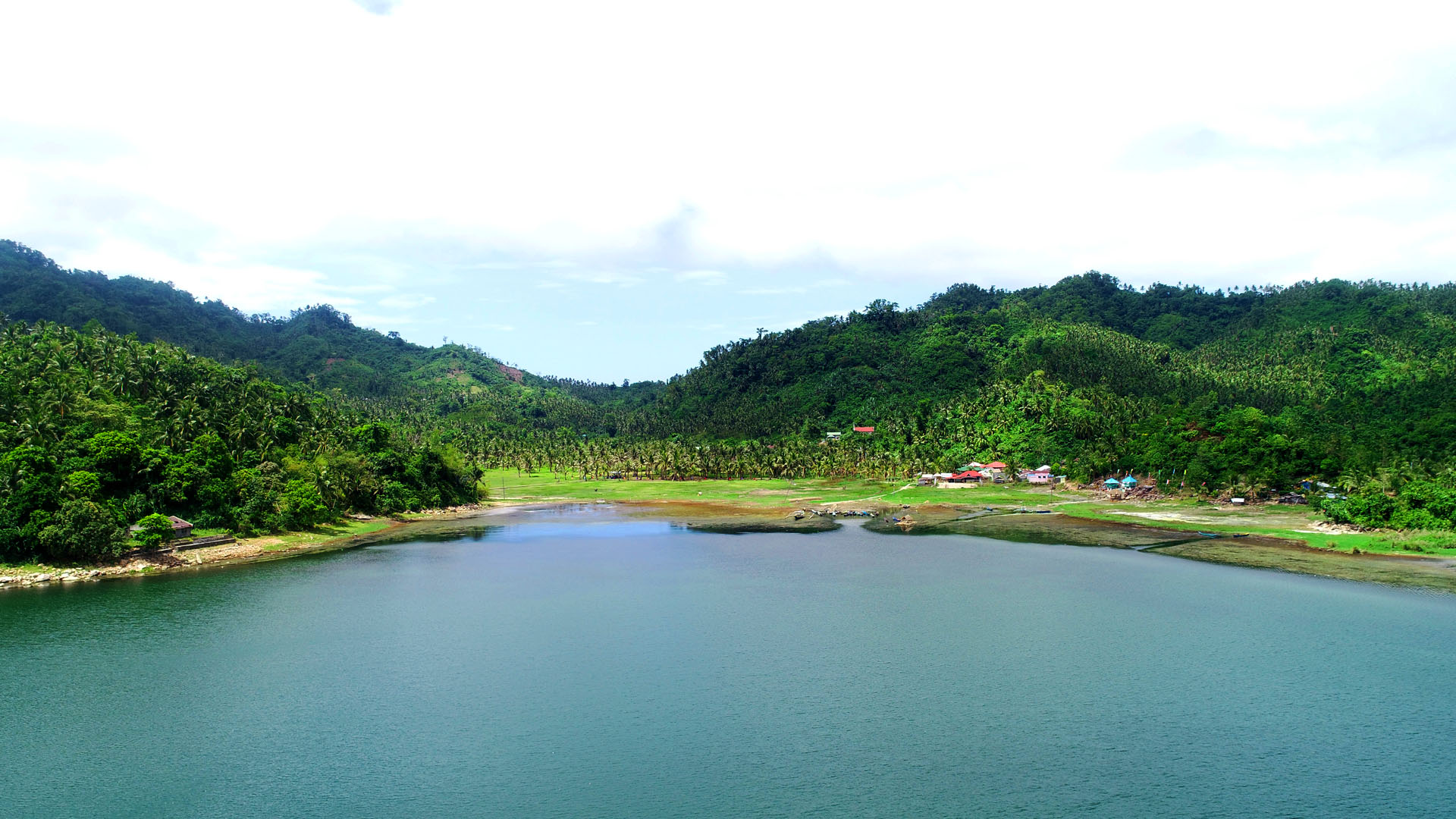
1946: Philippines gained independence; Naujan developed agriculturally and economically. 1951: Naujan Lake declared a National Park – it's one of the largest freshwater lakes in the Philippines. 1970s–1980s: Expansion of road networks and public services in Naujan. 2000s–Present: Focus on eco-tourism, agriculture, and local governance improvements.
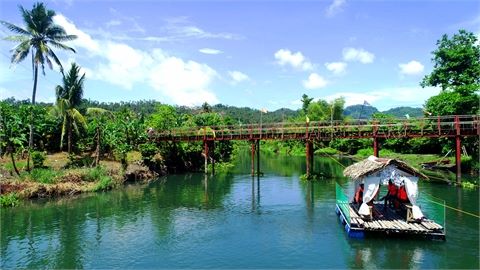
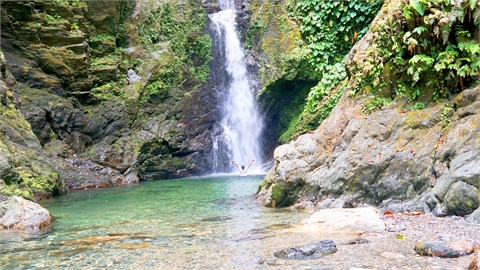
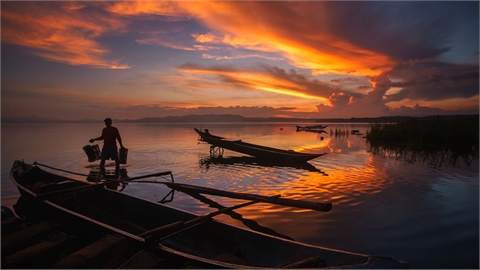

Naujan celebrates its cultural heritage through various festivals and traditions. The annual town fiesta honors St. Joseph, the patron saint, with religious processions, cultural shows, and community feasts. Traditional fishing methods are still practiced in Naujan Lake, preserving centuries-old techniques. The municipality also maintains strong ties with the indigenous Mangyan communities, whose culture and traditions are celebrated during local events.