Pola is a coastal municipality in the province of Oriental Mindoro, Philippines. Known as the "Gateway to the Pacific" due to its strategic location facing the Tablas Strait, Pola has a rich maritime history and serves as an important fishing and trading hub in the region. The town was officially established in 1910 and was named after the Spanish word for "pole" or "mast," reflecting its nautical heritage.
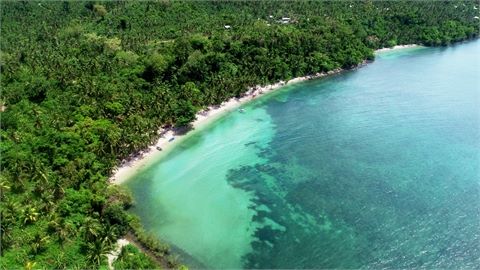
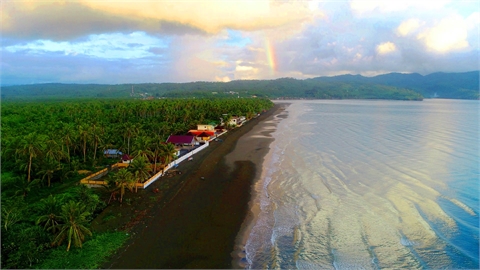
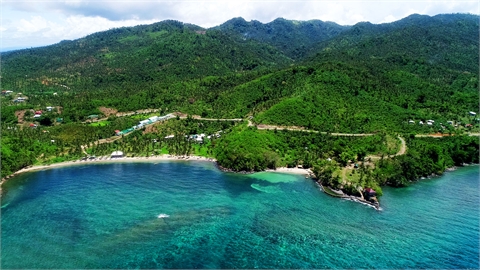
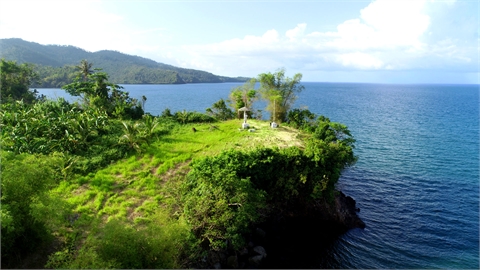
Pola's economy is primarily based on fishing and agriculture, with coconut, rice, and banana as major crops. The municipality is famous for its abundant marine resources and scenic coastal areas. Pola Bay provides a natural harbor and has been an important maritime route since Spanish colonial times. The town also boasts beautiful beaches and islets that are becoming popular tourist destinations.
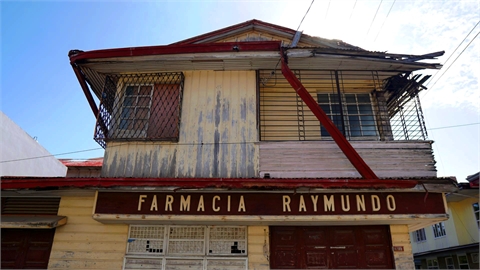
The municipality has faced challenges from natural disasters, particularly typhoons, but has shown remarkable resilience. Pola's cultural heritage reflects its coastal lifestyle, with fishing traditions and maritime festivals being central to community life. The town also serves as a gateway to the southern part of Oriental Mindoro, connecting to other municipalities through its road network and sea routes.

The area now known as Pola was originally inhabited by indigenous Mangyan tribes. Communities thrived through fishing, hunting, and swidden farming.
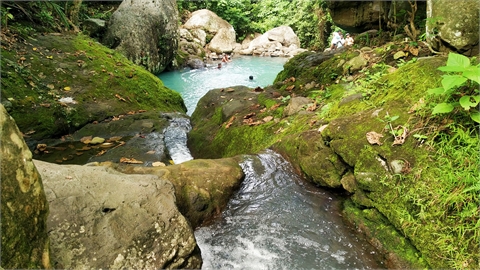
Pola was part of the vast territory governed by Spanish authorities from Calapan. Catholic missionaries began evangelizing in the region, establishing small chapels and spreading Christianity.
Roads and schools were introduced under American colonial rule. In 1912, Pola became a barrio (village) of Bongabong. Agriculture, particularly coconut farming, became more structured.
Pola officially became a separate municipality through Republic Act No. 3425. Named after its main poblacion or central barangay, “Pola.”
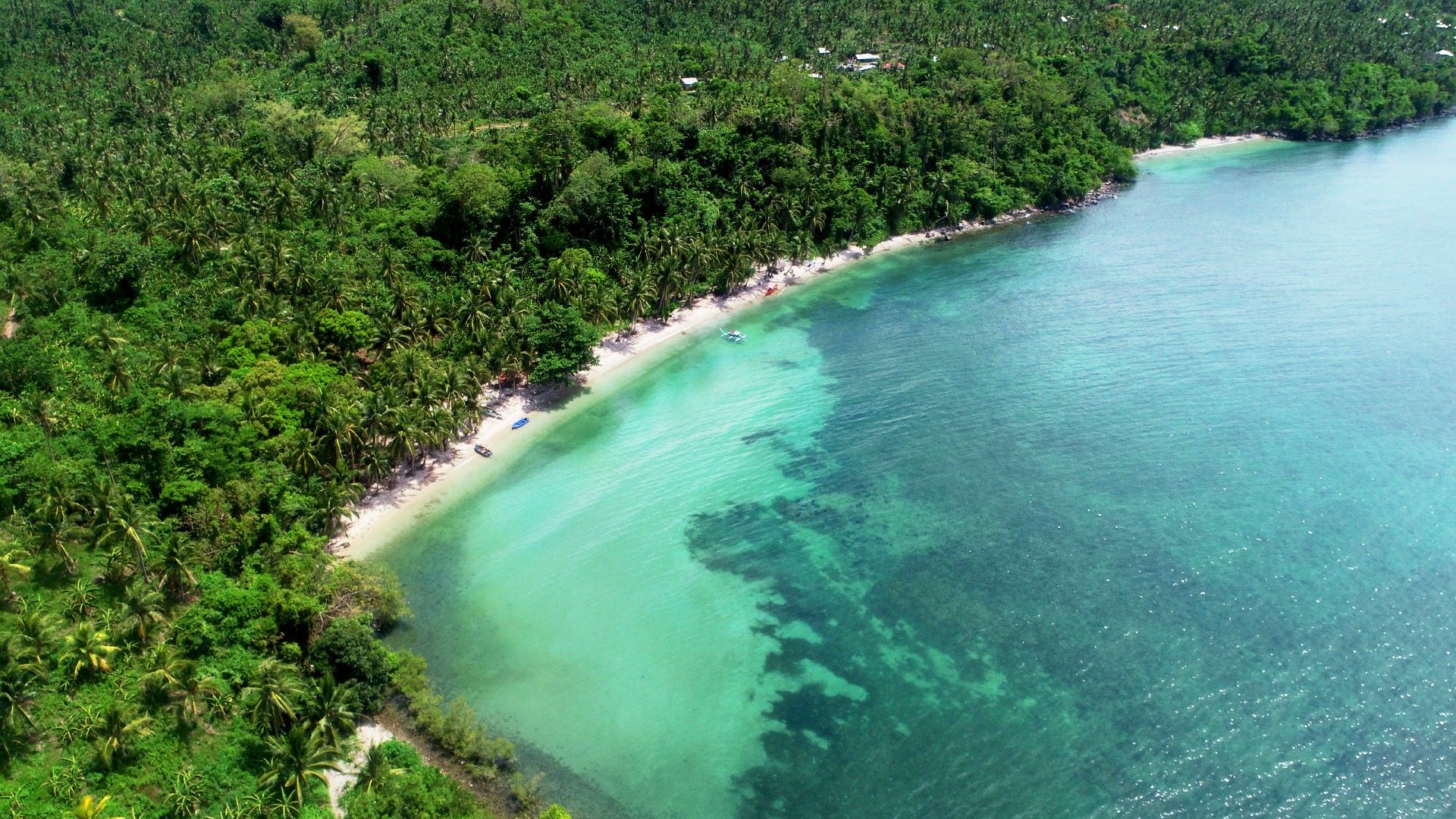
Like much of the Philippines, Pola was affected by nationwide martial law under President Ferdinand Marcos. Infrastructure improvements and military presence increased in rural areas.
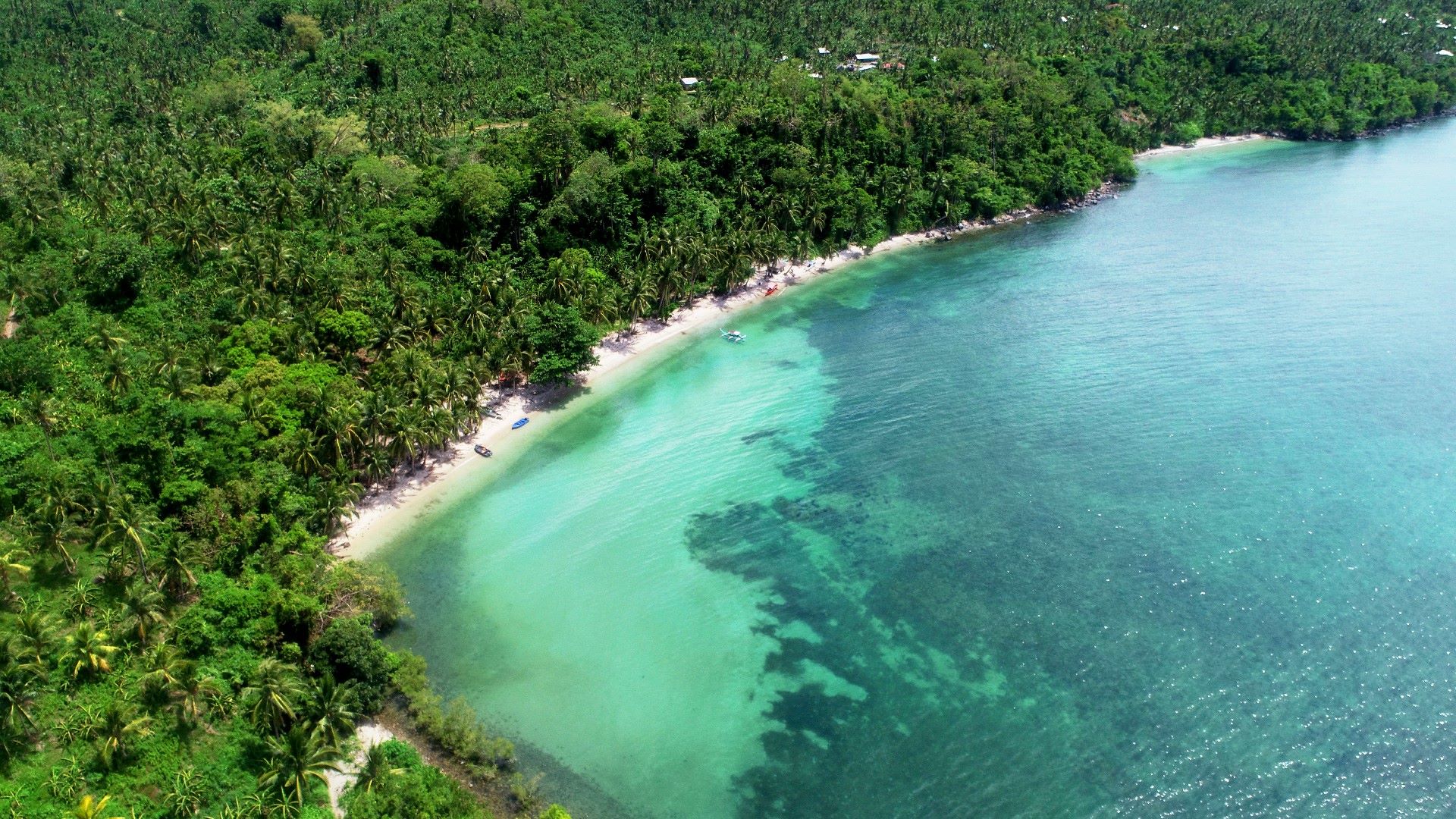
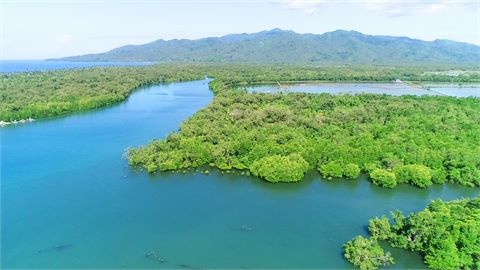
Pola began to focus more on environmental conservation, particularly protecting its coastal and marine ecosystems. Recent years have seen community development efforts and disaster response improvements, especially after Typhoon impacts.
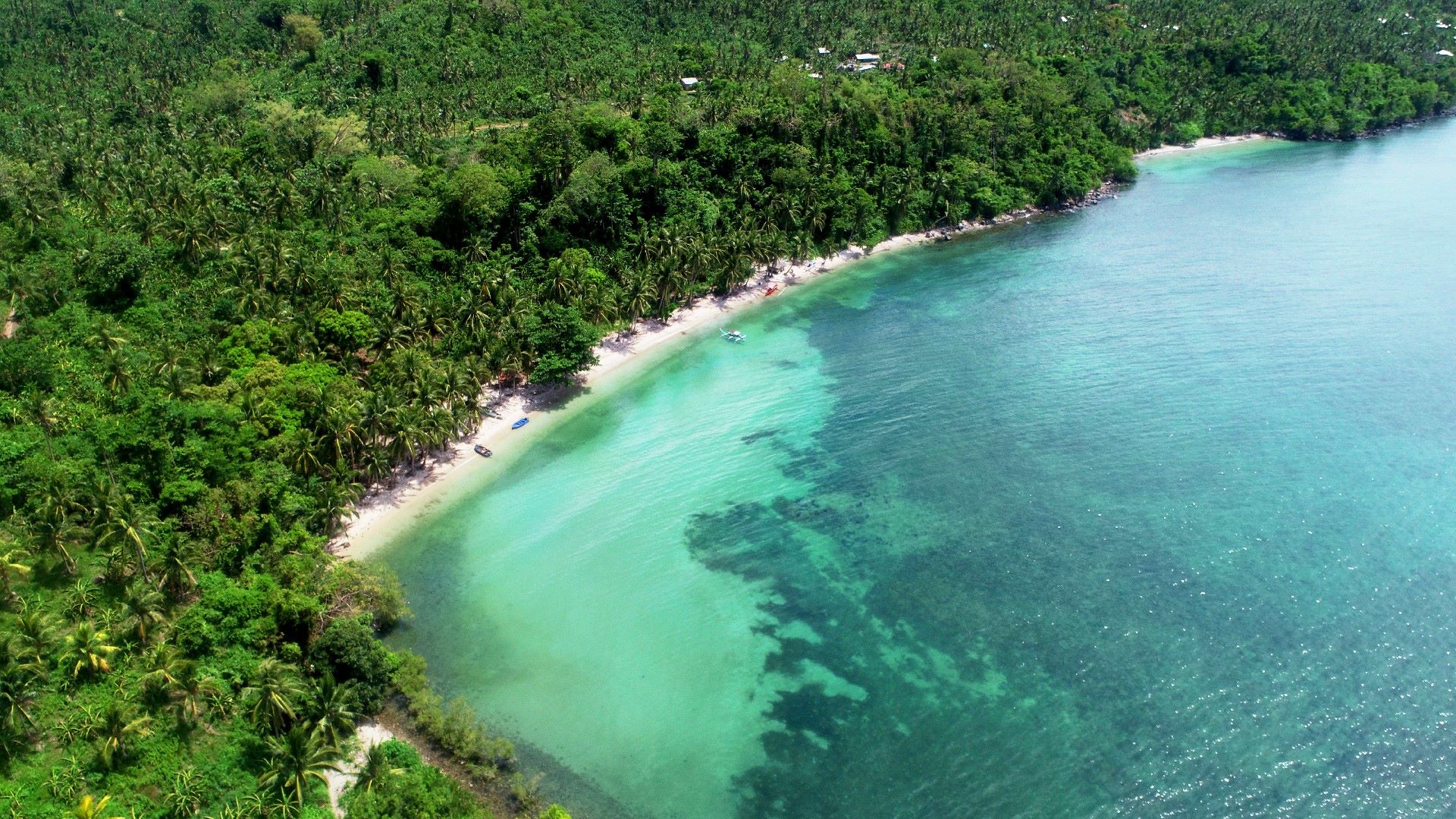
Pola was heavily affected by the MT Princess Empress oil spill in February 2023. The oil spill caused environmental and livelihood damage, prompting national attention and relief efforts.

Pola celebrates its maritime heritage through various festivals and traditions. The annual "Bila-Bila Festival" showcases the town's fishing culture with boat races, seafood feasts, and cultural performances. Traditional fishing methods are still practiced alongside modern techniques, preserving centuries-old maritime knowledge. The municipality also maintains strong ties with indigenous communities, particularly in the upland areas, whose cultural practices are celebrated during local events.