The 160.5 km long by 84.5 km wide island of Mindoro was first mentioned in Chinese annals when merchants from Cathay on ships carrying native products traded on the island in 982 AD. Ship captains and their men often referred to the island as "Mai", which was later corroborated by the Chinese historian Chen-Jua Kuan in the first known description of Mindoro in 1225 AD.
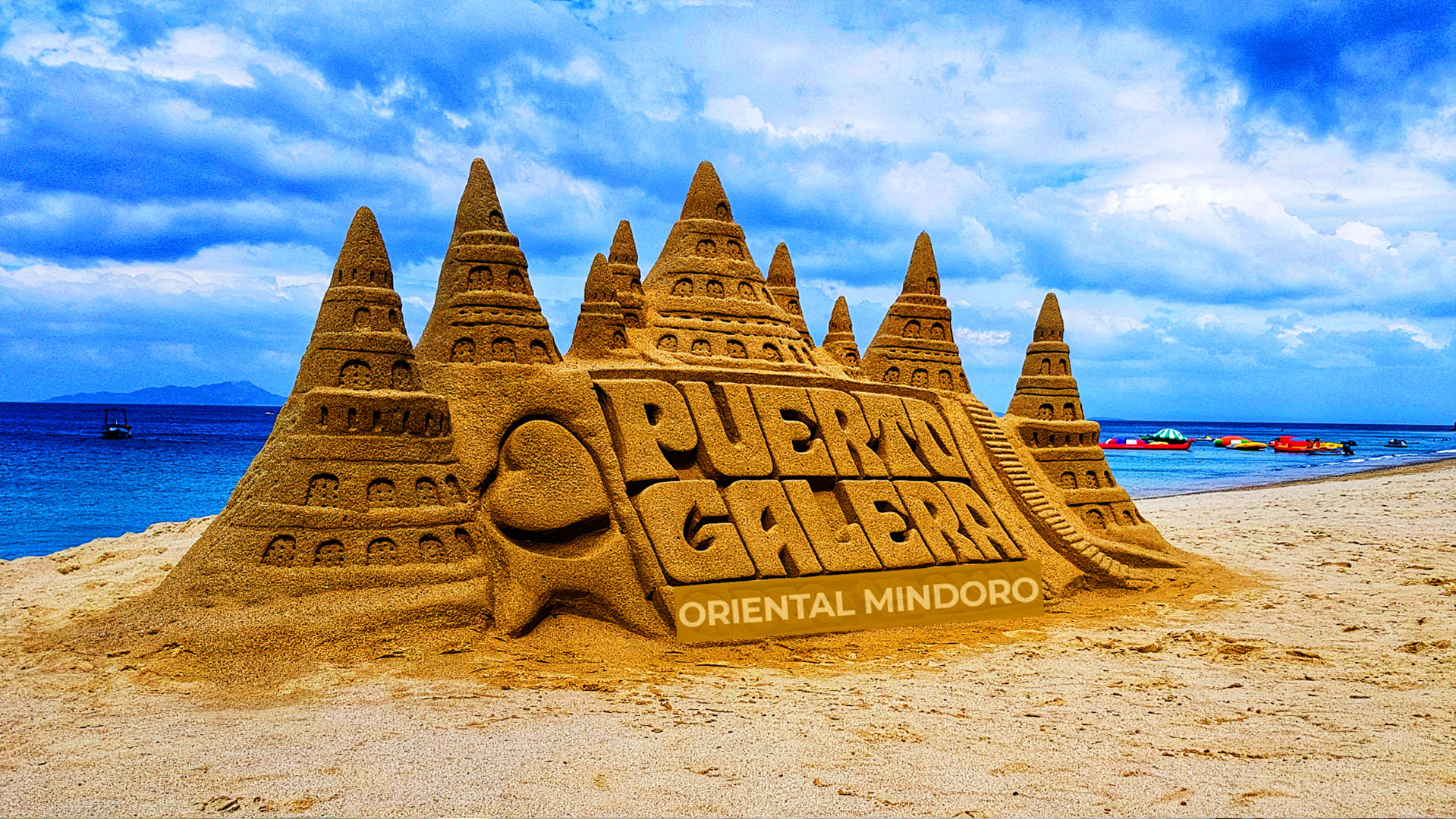
Since the 10th century, Puerto Galera was known to seafarers as a trading port and a strategic harbor along the important trade routes to and from Near East, Indian coast, Indo-Chinese coast, China, various points within the Philippine archipelago, and the kingdoms of Sumatra and Java. The Muelle Bay area, recognized as one of the safest natural harbors in Asia, was used extensively for dock repairs and as a safe anchorage for all types of sailing vessels.
Sixteen century reference to Mindoro often only meant to harbor of Minolo, which was then the center of trading between the Chinese and the natives. Chinese merchants bartered glazed porcelains for gold, jade, corals, shells, birds, rattan, and other forest products that were abundant on the island. The antiques unearthed from an ancient gravesite near Minolo were traced back as early as the 10th and 15th centuries. Most are Chinese, but substantial quantities from Thailand and Vietnam have also been excavated.
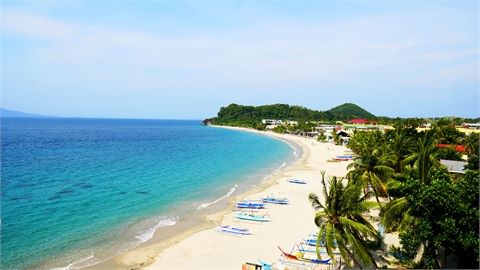
Puerto Galera was originally inhabited by the Mangyan people, indigenous groups who still reside in the Mindoro mountains. The town's natural deep bay provided a safe haven for ships, making it a significant port area even before the arrival of the Spanish.
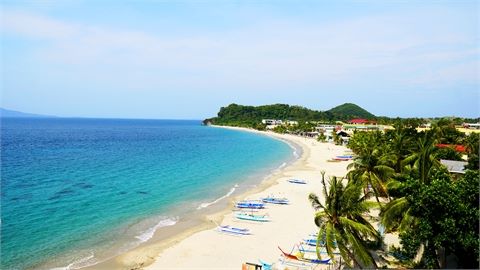
The Spanish arrived in Batangas and crossed the Verde Island Passage to Puerto Galera, naming it "Puerto Galera" or "Port of Galleons". Puerto Galera was established as one of the oldest settlements in Mindoro and initially served as the provincial capital. Mindoro, including Puerto Galera, was recognized as a territory by the Spanish colonizers. The seat of government was moved to Calapan, and Puerto Galera lost its status as the capital. Revolutionaries from Puerto Galera participated in the overthrow of the Spanish government in Mindoro.
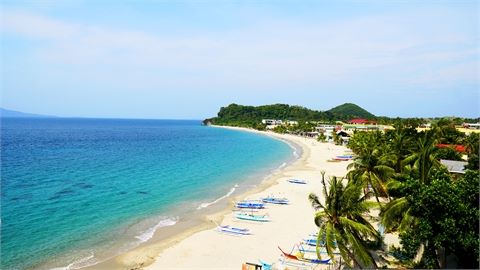
Puerto Galera became a Municipal District. It was officially established as an independent municipality. Puerto Galera was designated a UNESCO Man and Biosphere Reserve. The town began to attract tourists, particularly for its diving potential and beaches. Puerto Galera continues to balance tourism development with efforts to protect its marine ecosystem.
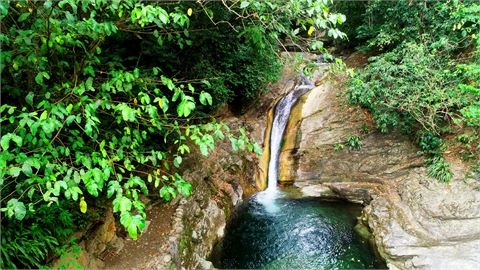

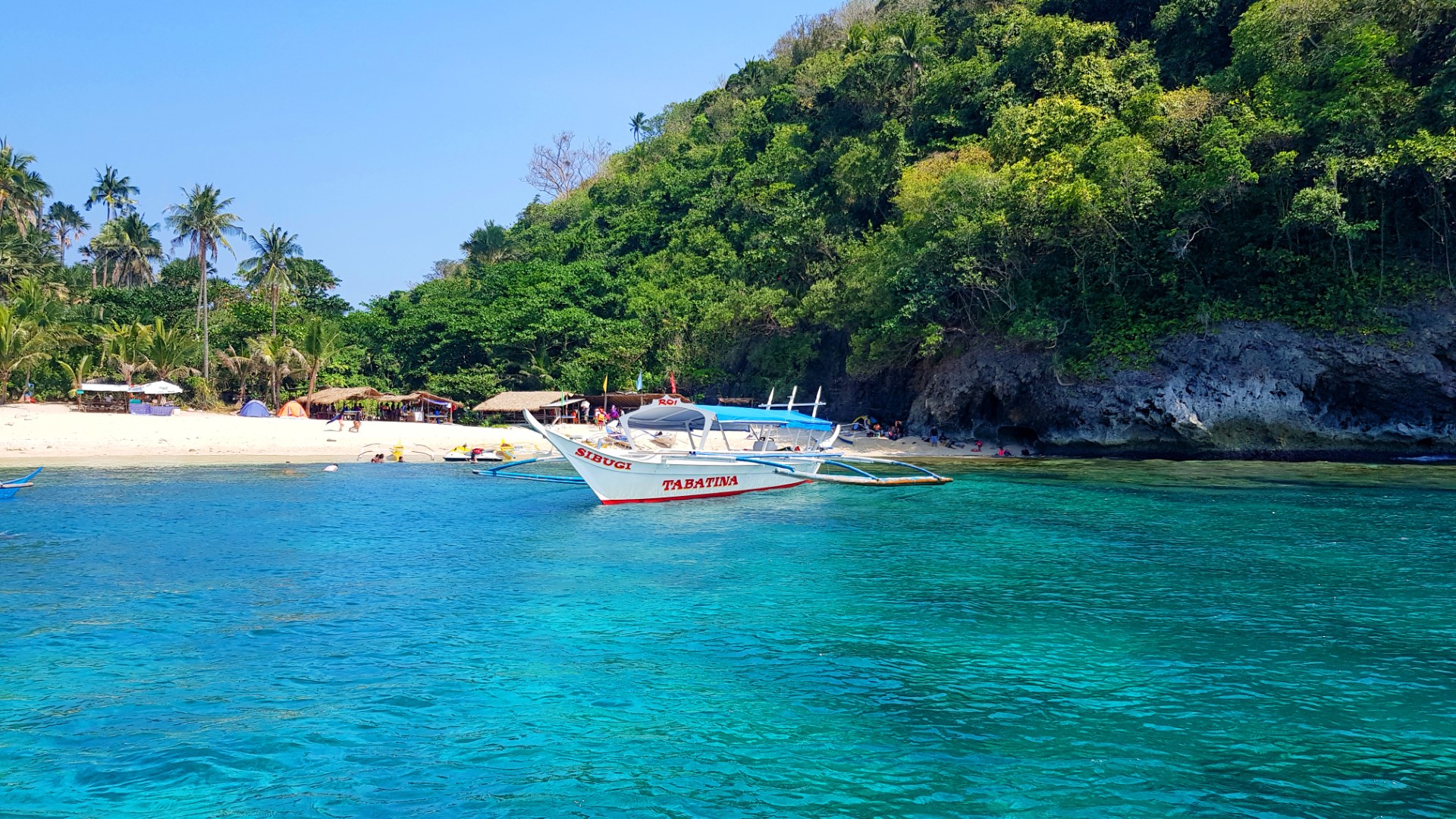
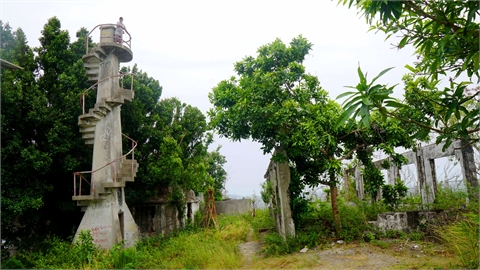
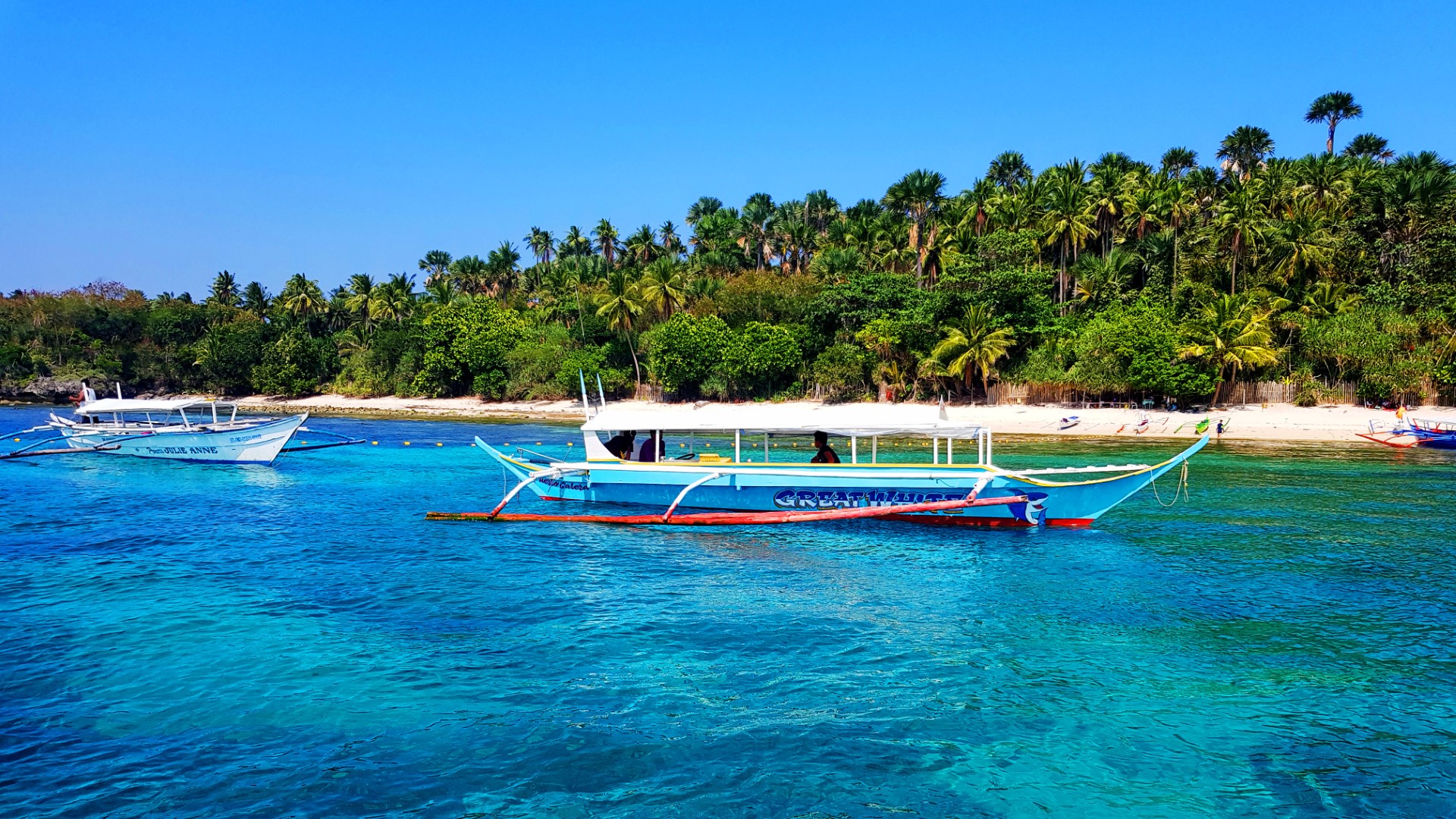
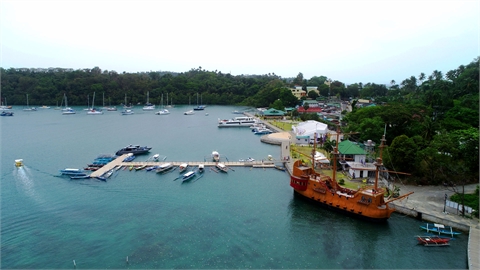

When the Spaniards conquered the whole island, they made Puerto Galera the capital of the province. Due to the regularity of the Moro attacks, the Spaniards built watchtowers and stationed battleships outside Muelle Bay to deter the Moros. One such battleship was the Cañonero Mariveles, which sunk due to a violent storm in 1879. The Spaniards also built a rice granary in Puerto Galera that was used to stash grains ready for shipment. This grain storage was believed to have caught fire in the late 18th century, but the carbonized palay grains were preserved by the sea water and remain scattered along Muelle Bay to this day.